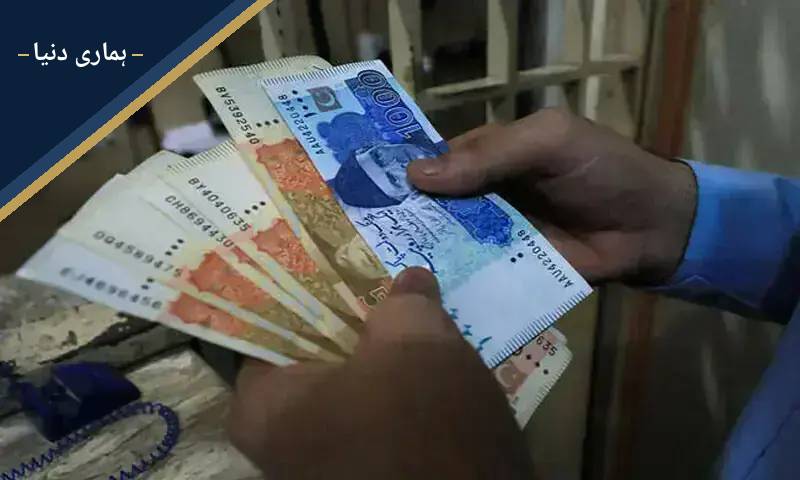
Pakistan's fiscal surplus has fallen to 0.9% of GDP, down from 1.7% a year earlier, while total revenue collection dropped 3% to Rs6.004 trillion in the first quarter of FY2027. The core problem is not a lack of taxation but an oversized and inefficient state that spends more than it earns.
Key Fiscal Figures
The fiscal surplus declined 40% year-on-year from Rs2.119 trillion. FBR tax revenue rose 7% to Rs3.086 trillion in 1QFY2027, while government expenditure increased 16% to around Rs4.730 trillion. Interest payments climbed 23%, and the primary surplus fell 15% to Rs2.974 trillion, equal to 2.1% of GDP.
- FBR tax collections grew 317.77% over a decade, from Rs3,112 billion in FY2015-16 to Rs13,001 billion in FY2025-26.
- Average real GDP growth remained around 3.4% to 3.5% during that decade.
- Public debt reached 70.7% of GDP by June 2025.
- Interest payments now consume more than half of government revenue.
Where the Money Is Being Lost
The federal cabinet includes around 57 ministers, state ministers and advisers. The cost of running the civil government rose about 16% to Rs1.03 trillion in FY2025-26, up from Rs892 billion the previous year. For FY2026-27, the target is set at Rs971 billion.
State-owned enterprises carry accumulated losses and liabilities of approximately Rs7.22 trillion as of December 2025. Every day of delay in restructuring or privatisation adds nearly Rs3 billion to the taxpayer burden. Circular debt in the energy sector stands at approximately Rs5.3 trillion to Rs5.45 trillion.
The Benazir Income Support Programme has an allocation of Rs838 billion, but the article says it provides temporary relief without creating jobs or skills.
Why Taxing Existing Businesses More Will Not Work
FBR pressure to meet revenue targets has led to freezing bank accounts and withdrawing funds from existing taxpayers. Meanwhile, sectors such as agriculture, wholesale and retail trade, and real estate remain undertaxed. Over a decade of higher tax collection did not produce proportional economic growth, leaving industries uncompetitive and exports weak.
Recommended Steps
The writer recommends reducing duplicate federal ministries, merging ministries with the same domain, privatising commercially unviable state-owned enterprises, and making energy affordable through renewable investment and grid modernisation. Pension systems need contributory reforms for new entrants, and government institutions should publish administrative costs, vehicle use, and travel expenditure.
The article concludes that Pakistan must plug the revenue drain first by cutting waste, eliminating privileges, dismantling protectionist barriers, and allowing businesses to invest and grow. The writer is a former vice president of the Karachi Chamber of Commerce and Industry.