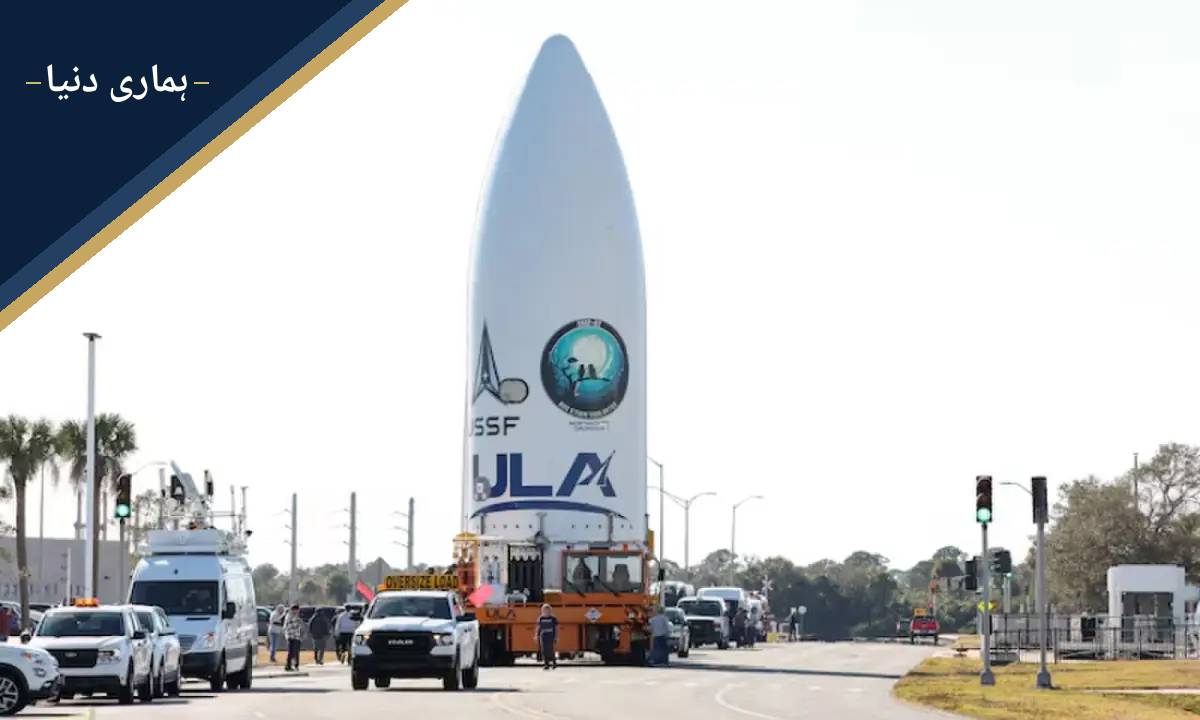
ULA Vulcan Rocket Fails, Destroys 40 Amazon Satellites
A Vulcan rocket operated by United Launch Alliance failed about 10 minutes after liftoff from Cape Canaveral Space Force Station in Florida on Sunday. The failure destroyed 40 satellites belonging to Amazon's Leo internet network. It was the first mission failure for ULA.
What ULA and Amazon Said
ULA confirmed in a statement that the vehicle suffered an anomaly 10 minutes into the flight and failed to deliver the Amazon mission to orbit. The company said it does not yet have specific data to understand what caused the failure.
Amazon called the mission LV-01 and said there is risk with any launch, especially inaugural missions. Amazon described ULA as a trusted partner and said it believes ULA will learn from the mission and deliver on its long-term plans for Vulcan.
Rocket History and Investigation
The Sunday flight was Vulcan's fifth since its 2024 debut and its first in nine months. The rocket had been grounded for months while investigators examined problems with its solid rocket side boosters and core BE-4 engines. Blue Origin, the space company owned by Amazon founder Jeff Bezos, supplies the BE-4 engines and is working with ULA on the investigation.
- ULA was formed in 2006 through a merger of Boeing's Delta rocket program and Lockheed Martin's Atlas rocket program.
- ULA had maintained a 100 per cent mission success record since its formation.
- The failure is expected to lead to a lengthy technical investigation that could keep the Vulcan rocket off the market for months.
- The Pentagon had not yet approved the rocket to resume flying national security payloads, pending its performance with the Amazon mission.
- Blue Origin's New Glenn rocket, which also uses the BE-4 engine, had a launchpad explosion in May. An investigation found the engine was the cause, and ULA said modified engines were delivered for Vulcan.
It is still unclear whether the BE-4 engines played a role in Sunday's failure. The issue appeared to occur after the separation of Vulcan's second stage, which carried the Amazon satellites, from the first-stage booster powered by the BE-4 engines.
Impact on Amazon and the US Launch Industry
The failure is a setback for Amazon as it tries to deploy satellites using third-party launch providers. Rocket failures have delayed Amazon's effort to rival SpaceX's Starlink internet network, which has more than 11,000 satellites and millions of customers worldwide. SpaceX has the advantage of using its own rockets, while other companies spend billions on external launches.
Since 2025, Amazon has deployed 398 Leo satellites across 14 launches. That is about 12 per cent of the 3,236 satellites Amazon needs for global service coverage. The company had hoped to start initial internet service this year.
The Vulcan failure could deepen a US launch bottleneck caused by other rocket mishaps and the planned retirement of SpaceX's Falcon 9. SpaceX is no longer accepting bookings for the Falcon 9.