Pakistan to Separate Sales Tax and Income Tax Collection
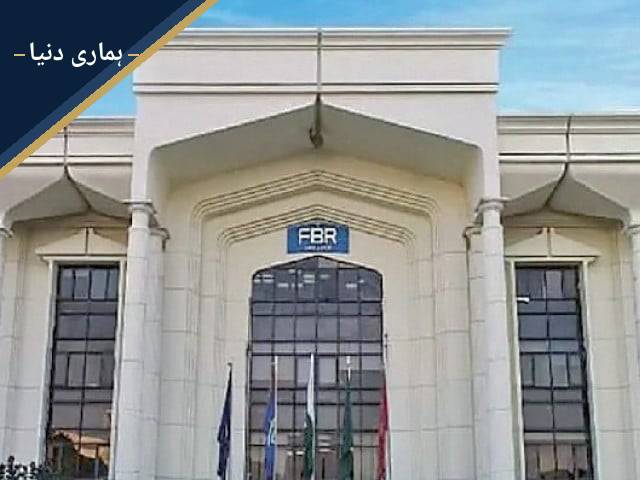
The government has reversed the functional integration of sales tax and income tax collection after 17 years. The change aims to fix weak enforcement and reduce the sales tax revenue gap of Rs3.4 trillion.
New FBR Structure for Sales Tax
A dedicated member for sales tax and federal excise duty will report directly to the FBR chairman. This member will work with three chiefs and their teams on data analysis, operations, and follow-up on selected cases.
Separate sales tax zones will be set up under each chief commissioner. These zones will be led by commissioners and supported by additional, deputy, and assistant commissioners. The administrative structure at the chief commissioner level will remain unchanged for now.
The FBR has also started specialised tests to identify officers with expertise in sales tax and income tax administration.
Timeline for the Change
- The restructuring starts at Large Taxpayer Offices on December 1.
- It will then cover Corporate Tax Offices and Regional Tax Offices.
- The transition is expected to be completed within two months.
Why the Government Is Making the Change
Sales tax accounts for nearly 55 percent of the combined Rs6.2 trillion revenue gap. About 90 percent of sales tax collections come from just 15,000 taxpayers.
In early 2024, around 313,000 people were registered for sales tax, but only 190,000 filed returns. In comparison, about 6 million people filed active income tax returns.
Officials said the integrated structure weakened accountability because officers could meet combined revenue targets by focusing on income tax while paying less attention to sales tax enforcement.
Background of the 2009 Integration
Sales tax and federal excise duty were moved from Customs to the Inland Revenue Service in 2009 under a World Bank project. The two taxes were kept together because findings in sales tax cases often lead to income tax demands.
Officials said the original reason for integration weakened after Pakistan Revenue Automation Ltd introduced a common digital system. Both taxes will continue to be administered within the IRS.
The chief commissioners and Member IRS (Operations) will keep administrative and operational control. The newly designated member will provide technical oversight and coordinate enforcement activities.