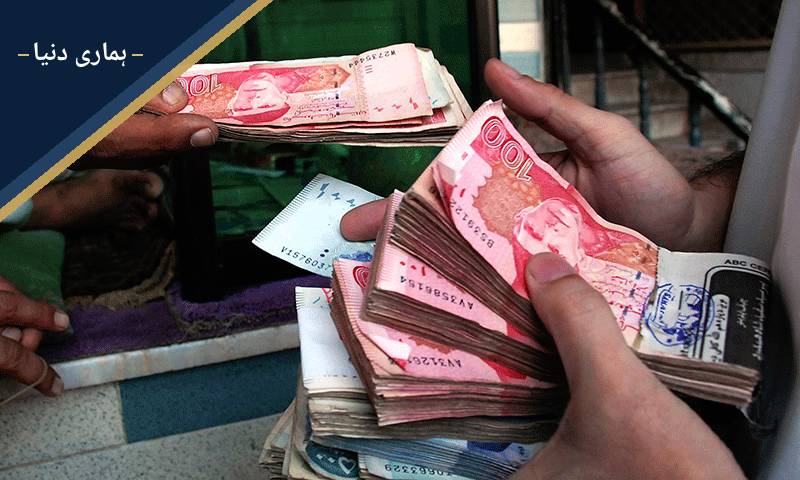
The International Monetary Fund (IMF) Executive Board is expected to meet on December 11 to approve a disbursement of about $1.21 billion for Pakistan. The funds come under two active programmes — the $7 billion Extended Fund Facility (EFF) and the $1.4 billion Resilience and Sustainability Facility (RSF).
Breakdown of the Upcoming Disbursement
- EFF (4th review): About $1 billion (760 million SDRs)
- RSF (3rd review): About $210 million (154 million SDRs)
Once approved, total disbursements under both arrangements will reach approximately $5.7 billion. The staff-level agreement for this tranche was reached in the first week of October following discussions held from September 23 to October 7.
Programme Timelines
- EFF: 37-month programme
- RSF: 28-month programme
- Both scheduled to conclude by September 2027
IMF Assessment of Pakistan's Economy
The IMF team, led by Iva Petrova, noted that programme implementation under the EFF remained broadly on track despite a challenging external environment. The Fund acknowledged Pakistan's strong commitment to:
- Preserving macroeconomic stability
- Strengthening public finances
- Keeping inflation within the State Bank of Pakistan's target range
- Enhancing energy sector viability
- Strengthening social protection
Key Economic Indicators (FY26)
- Real GDP growth: 4% in first three quarters; full-year estimate of 3.6%
- Current account: Broadly balanced, supported by strong remittances
- Gross foreign exchange reserves: About $21.5 billion by end-September
- Sovereign credit ratings: Upgrades achieved
- International market access: Renewed
Risks and Policy Priorities
The IMF highlighted considerable risks from geopolitical tensions, volatile energy prices, tighter global financial conditions, and trade disruptions. Both sides agreed that maintaining sound macroeconomic policies is critical to safeguarding stability.
Policy priorities include maintaining fiscal discipline through steadfast implementation of the FY27 budget, anchored by an underlying primary surplus of 2% of GDP, supported by tax policy and revenue administration measures to place public debt on a sustainable downward trajectory.