
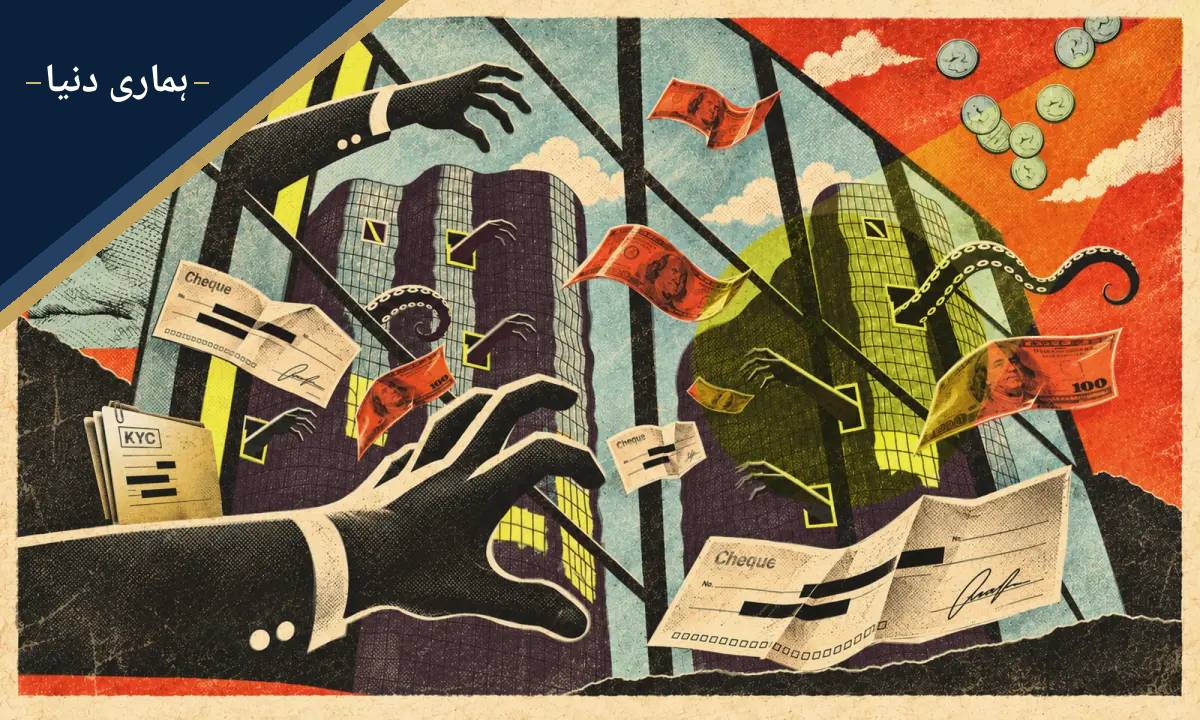
Leaked Files Show Compliance Gaps During FATF Pressure
While Pakistan scrambled to satisfy the Financial Action Task Force after being placed on the gray list in 2018, Deutsche Bank's local operation struggled to meet basic anti-money laundering requirements. Over 15 million internal bank documents leaked to journalists Josy Joseph and Khadija Sharife reveal repeated failures in trade finance monitoring, sanction screening, and customer identification.
The investigation, part of the Inside Deutsche Bank project involving more than 200 journalists across 50 countries, does not prove illicit transactions occurred. It shows the bank could not distinguish customers from non-customers, monitor transactions effectively, or implement required safeguards.
Missed Deadlines for Trade Finance Safeguards
The State Bank of Pakistan issued its Trade-Based Money Laundering framework in October 2019 with immediate effect, later extending the deadline to September 30, 2020. Internal emails show Deutsche Bank Pakistan failed to implement two core requirements months after that date:
- A price due diligence mechanism to detect artificially inflated or undervalued trade transactions
- An automated Management Information System to monitor suspicious activity across high transaction volumes
Principal auditor Khurram Amanullah wrote on July 30, 2021 — ten months past the deadline — that the trade finance team "spent excessive time in deciding whether to implement the relevant system in-house or outsourced to external vendor. (Lack of Diligence)." A 2017 group audit had already flagged similar gaps in trade finance operations, noting the bank did not always verify underlying goods for letter of credit transactions or document expected client trade flows for AML risk monitoring.
Billions in Cheques Processed Without Sanction Screening
The 2017 audit revealed Deutsche Bank Pakistan did not perform sanction screening on manual domestic cheque payments worth €4.6 billion in 2016, covering 76,821 cheques. The majority — approximately €2.9 billion in deposits — related to a single high-risk client being off-boarded. The bank's own embargo policy requires all asset transfers to be filtered against applicable embargo lists before leaving the group.
Staff had escalated the issue to senior management in 2016 but were advised "not to do anything further" pending a group-wide system flag. In 2015, Deutsche Bank paid a $258 million fine for sanction breaches in Middle East territories.
A 2020 audit of anti-financial crime functions found zero Suspicious Activity Reports or Suspicious Transaction Reports filed between July 2019 and June 2020 — highly unusual given the transaction volume.
Thousands of Custodial Accounts Without KYC
In September 2019, Frankfurt-based anti-financial crime officer Chiara Monaco flagged "thousands of subaccounts in Pakistan without KYC, opened for custody purposes and belonging to clients of State Street Bank and Bank of NY Mellon." These Special Convertible Rupee Accounts held securities and treasury bonds for underlying investors who never dealt directly with Deutsche Bank.
Pakistan's compliance head Zeeshan Waheed argued the underlying accounts did not meet the SBP's customer definition. However, SBP's 2018 AML/CFT regulations explicitly define a customer as any person with a relationship including custodial services, requiring due diligence on beneficial owners. Three independent compliance bankers confirmed SBP requires customer due diligence in such cases under Regulation R-2 and the Anti-Money Laundering Act, 2010.
The internal debate lasted over two months before being closed without resolution. As of 2023, Deutsche Bank Pakistan held Rs 143.63 billion in government securities and shares on behalf of these custodial clients.
Regulatory Response Unclear
It remains unknown whether the TBML compliance gaps, KYC disputes, or 2021 audit deficiencies were ever fully remedied. The SBP did not respond to detailed questions from Dawn. Deutsche Bank stated it "takes its obligations to prevent financial crime seriously and maintains controls designed to comply with applicable anti-money laundering, sanctions and other regulatory requirements."