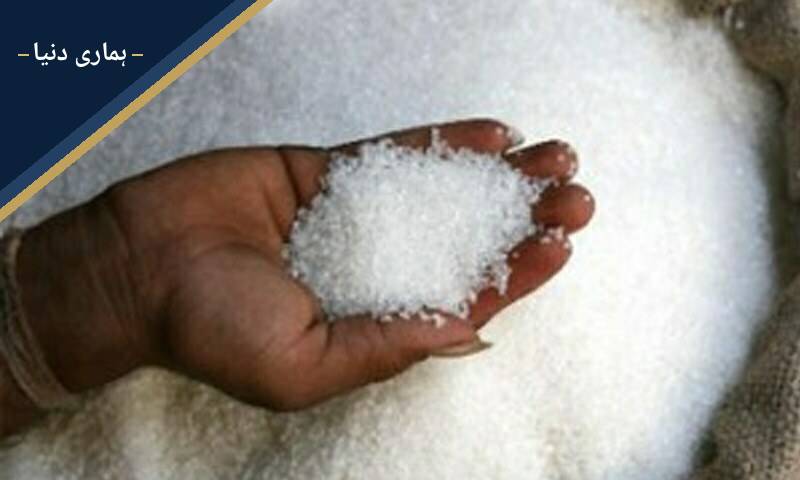
The federal cabinet on Tuesday approved the National Policy for Deregulation of Sugar Sector through circulation, clearing a long-delayed structural benchmark set by the International Monetary Fund (IMF). The decision removes government control over sugar pricing, production, and trade, leaving these to market forces.
IMF Benchmark and Board Meeting
Pakistan had been in breach of this IMF benchmark since June 2026. Approval was mandatory before the IMF executive board meeting scheduled for December 11. The fund had pushed for ending state involvement in sugarcane pricing, sugar production, and import-export decisions.
Sindh's Veto and Negotiations
The policy faced a virtual veto from the Sindh government while three other provinces had already consented. After backdoor negotiations, Sindh cleared the draft on November 21 after securing amendments. The policy was finalised by a ministerial committee led by Power Minister Awais Leghari, including finance, food security, and economic affairs ministers, the premier's adviser for industries, FBR chairman, and provincial chief secretaries.
Key Policy Changes
- Export subsidies ended — no more government subsidies on sugar exports
- Free inter-provincial movement — no restrictions on sugar transport between provinces
- Predictable import-export mechanism — transparent rules for cross-border trade
- Planting freedom — restrictions on cane varieties and planting zones removed
- Market-based pricing — sugarcane and sugar prices determined by market forces
- No new mill restrictions — freedom to establish mills and expand capacity
- Price controls abolished — federal and provincial price controls come to an end
Farmer Safeguards and Transitional Measures
The policy includes protections for growers during transition:
- Third-party validation of weighing scales
- Sucrose testing framework
- Interest payments by millers on late sugarcane dues
- Sugarcane cess directed toward research
- Easy credit access for farmers and millers
- Farm mechanisation schemes
Government Retains Limited Powers
The state keeps the right to maintain buffer sugar stocks and collect timely data on crop size, production, and market availability. The policy also encourages ethanol blending and aims for a fair, competitive market.
Transitional arrangements have been provided for the current crushing season.
Recent export permissions of 400,000 tonnes (approved Friday) and 200,000 tonnes (earlier) align with the new deregulation direction.