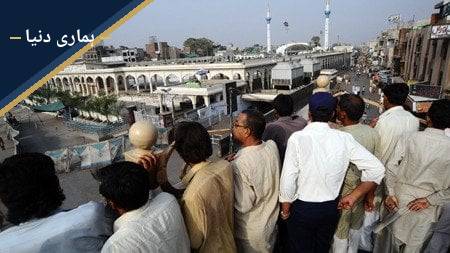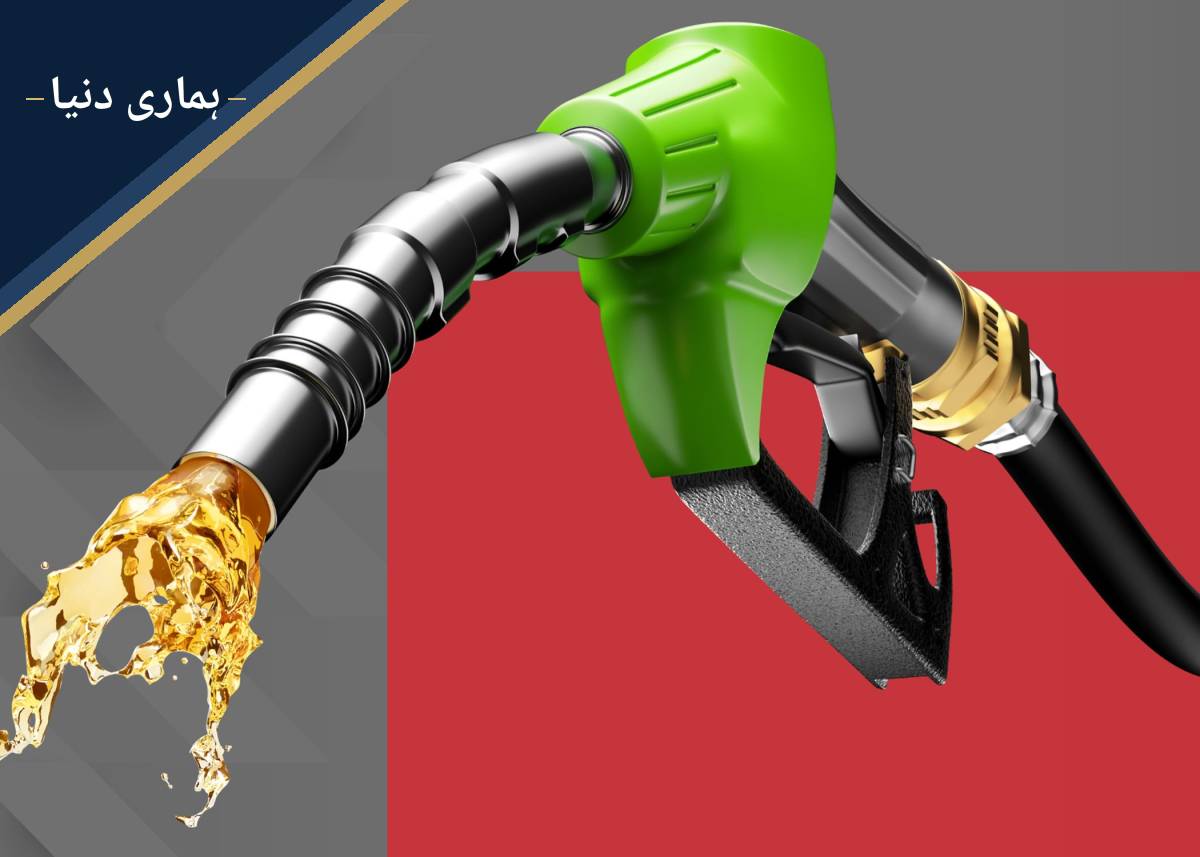
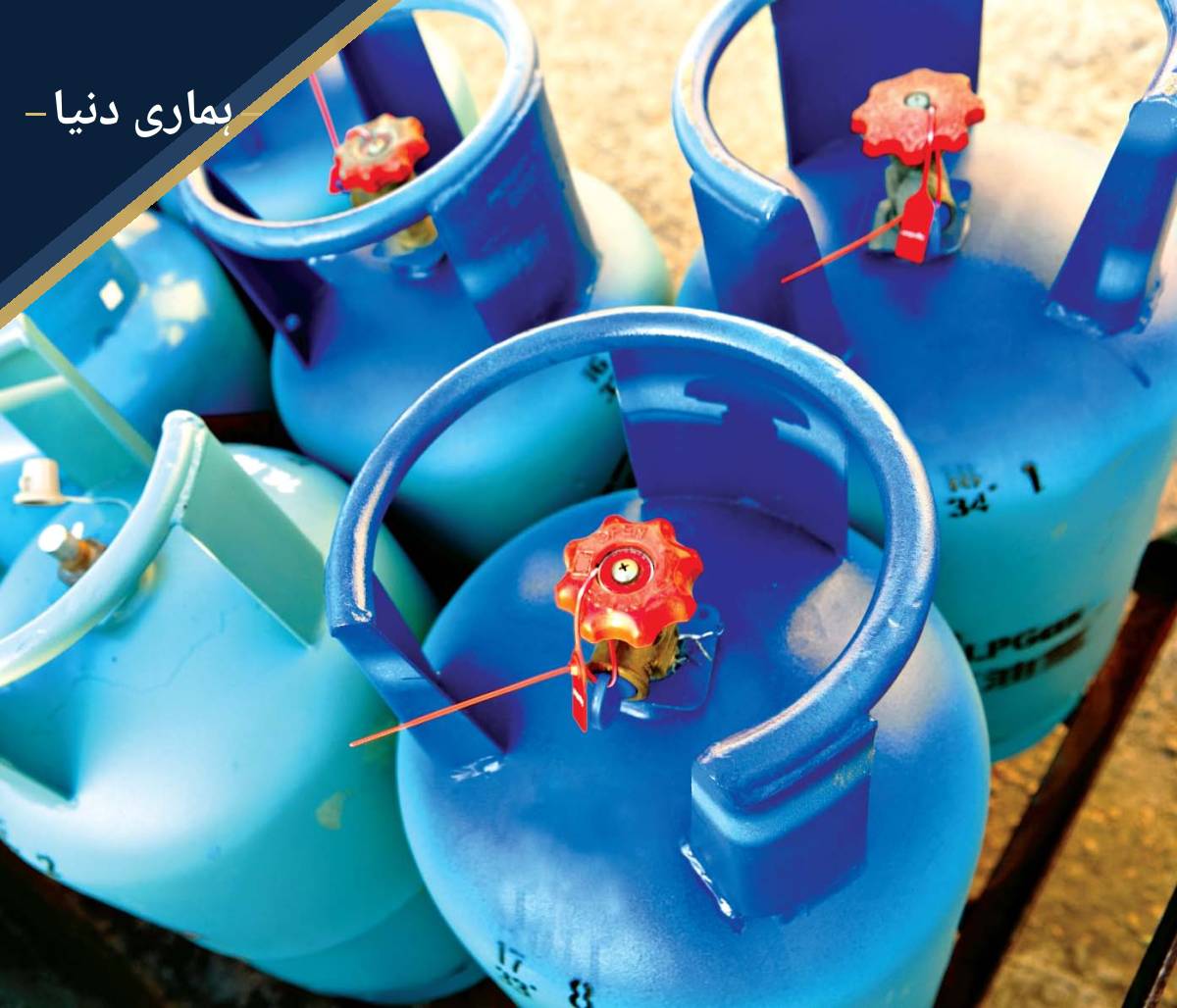
Liquefied petroleum gas (LPG) is being sold across Lahore at Rs495 to Rs550 per kilogramme, nearly double the official rate of Rs294.75 notified by the Oil and Gas Regulatory Authority (OGRA). Weak enforcement has allowed the price gap to persist, leaving low-income households and commercial users with no affordable alternative.
Rickshaw Drivers Face Severe Losses
The price surge has hit public transport operators hard. Majeed Ghauri, chairman of the Awami Rickshaw Union, called LPG "the fuel of the poor" and said around 70 per cent of the union's 43,000 auto-rickshaws and nearly 8,000 Qingqi rickshaws run on the fuel.
Muhammad Latif, 45, a rickshaw driver for 30 years supporting a family of seven, works more than 12 hours daily but struggles to cover costs. He pays Rs600 per day in rickshaw rent and refills his tank three to four times daily at over Rs500 per kg. His monthly house rent is Rs13,000.
"Previously, when LPG was cheap, we could earn a decent income. Now, it is difficult to get by on Rs800 to Rs900 a day,"
Another driver, Ashraf Khan, said passengers refuse to pay higher fares despite rising fuel costs. For a trip that should cost Rs200 to Rs250, passengers often offer only Rs100 to Rs150.
Households Without Piped Gas Forced to Pay More
Families without access to piped natural gas rely on LPG for cooking and heating. The inflated retail price adds significant strain to already tight budgets, with no regulatory relief in sight.
Supply Constraints and Broader Inflation
The price increase comes amid supply disruptions linked to the closure of border crossings with Iran and ongoing natural gas load-shedding. Pakistan's inflation rate rose to 9.6 per cent in October, while the State Bank of Pakistan raised its policy rate to 12 per cent, compounding financial pressure on low-income workers and households.