Governor Rule Imposed in Khyber Pakhtunkhwa
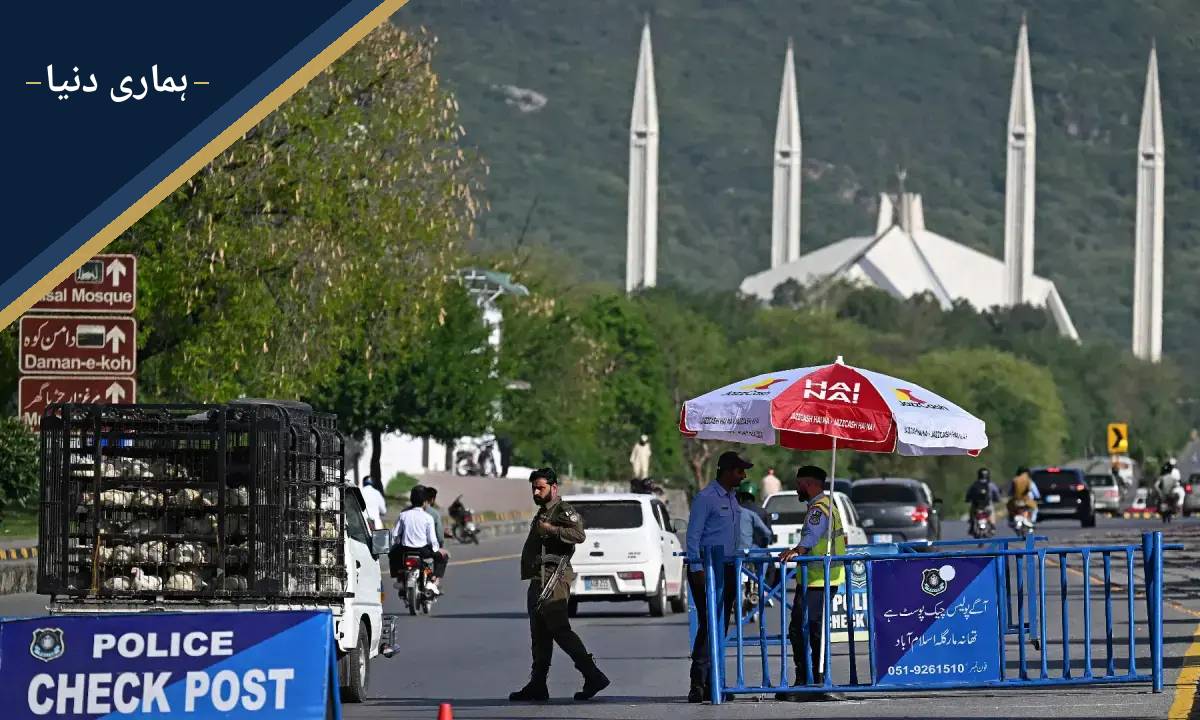
Khyber Pakhtunkhwa has been placed under governor rule after the federal government suspended the elected provincial government. The move followed a declared emergency and the deployment of the army in the province. A technocratic council has replaced the provincial cabinet, the bureaucracy has been shuffled, and an independent secretariat created to administer the former Federally Administered Tribal Areas along with four additional districts.
Constitutional Framework and Time Limit
The current arrangement operates under Articles 232 and 234 of the Constitution. Governor rule and the accompanying technocratic administration are constitutionally valid for a maximum of six months, extendable in two-month increments with approval from a joint sitting of parliament. A federal oversight committee headed by Ishaq Dar has been formed to monitor the province.
PTI Electoral Mandate in the Province
The Pakistan Tehreek-i-Insaf (PTI) has strengthened its hold on Khyber Pakhtunkhwa over three consecutive elections. The party won 35 of 99 general seats in 2013, 66 of 99 in 2018, and approximately 90 of 115 seats in 2024, with the last election contested by PTI-backed independents after the party lost its electoral symbol. The chief minister is currently under preventive detention after the president withdrew protection for provincial lawmakers.
Terrorism Statistics and Security Claims
According to the Pakistan Institute for Peace Studies (PIPS), terrorism casualties in the province have risen sharply between 2021 and 2025. Annual fatalities increased from 169 to 581, while injuries rose from 122 to 698. The frequency, scale, and sophistication of attacks have also intensified. However, Samar Haroon Bilour, an adviser to the governor on information, has claimed an 80 percent reduction in terrorism incidents over a five-week period. This claim came days after the abduction of the former additional chief secretary's two children from Peshawar.
Mineral Resources and Federal Interest
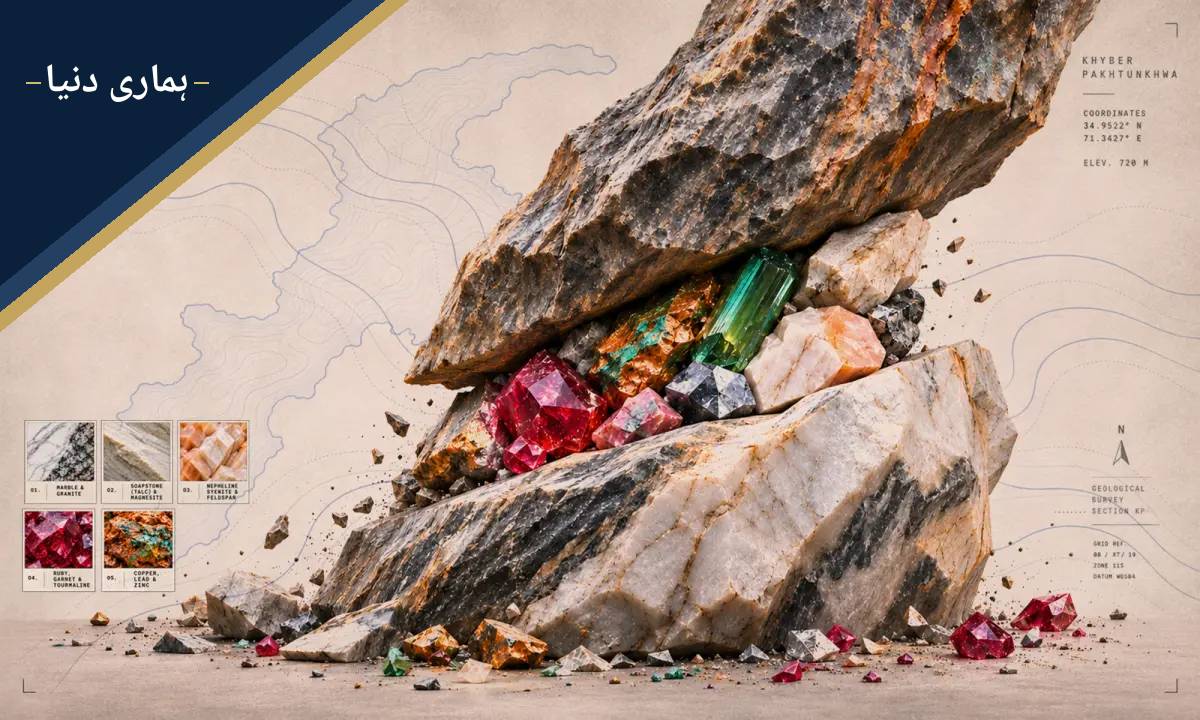
Khyber Pakhtunkhwa has established industries in limestone, marble, granite, soapstone, gypsum, and gemstones, though only 30 percent of the province's terrain is geologically mapped. Reports indicate abundant deposits of antimony, copper, gold, tungsten, and rare earth elements. Minerals fall under provincial jurisdiction, while the 18th Amendment introduced joint federal-provincial ownership of oil and gas.
Timeline of Mineral Policy Developments
- April 2025: A bill proposed in the KP assembly sparked criticism from both government and opposition benches for allegedly facilitating federal control over mineral resources.
- August 2026: United States officials discussed critical minerals cooperation with KP government representatives.
- After governor rule imposition: The governor announced plans to extract and sell mineral resources to attract investment.
- Early November 2026: The Pakistan Minerals Investment Forum was held in Islamabad, presided over by the prime minister and the chief of defence forces.
- Days surrounding the forum: The KP governor met foreign investors and cancelled all gold-mining leases in the province, citing illegal mining financing terror groups and funnelling profits to Afghanistan.
Political Legitimacy Concerns
Governor Faisal Karim Kundi has stated that Khyber Pakhtunkhwa's policies will now come from Islamabad, not Kabul. The Pashtun Tahaffuz Movement has been banned, and the PTI government suspended. Analysts warn that the absence of immediate public outrage does not indicate acceptance. The sense of marginalisation among the Pashtun population, particularly youth, risks long-term destabilisation if political legitimacy is replaced by technocratic administration without democratic accountability.
Governance is an extension of the political process, a product of it, a manifestation of the public will. And as such, its sustainability rests on foundations of political legitimacy, even if it is sidestepped in the short term.
Six-Month Deadline Looms
The current constitutional arrangement must either transition back to elected government or seek parliamentary extension within six months. The decisions made during this period regarding mineral resources, security operations, and administrative restructuring will face intense scrutiny. The choice between politically legitimate governance and centrally imposed administration remains the core issue for the province and the federation.