ECC Approves Higher Wheat Import Limit
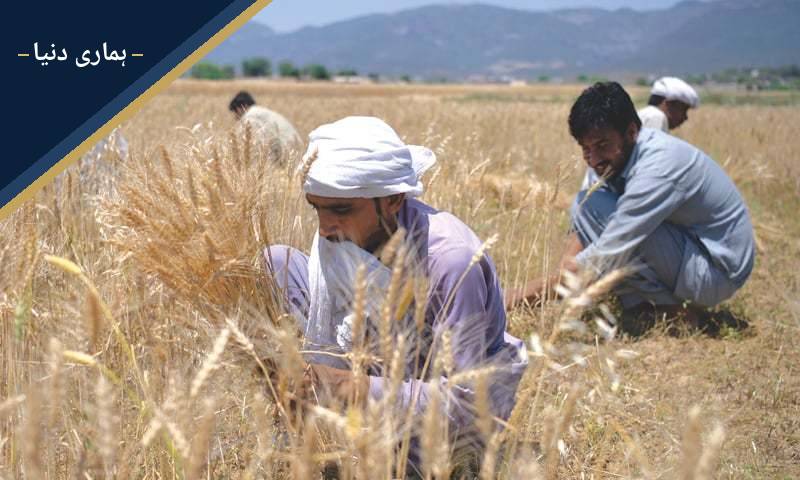
The Economic Coordination Committee (ECC) of the Cabinet on Friday approved a 150% increase in the wheat import ceiling, raising it to 2.5 million metric tonnes for Food Year 2026-27. The decision aims to check continuously rising wheat and flour prices in the market.
Finance Minister Muhammad Aurangzeb presided over the late-night virtual meeting, which was called urgently after flour prices increased by 5-6% on a weekly basis due to supply constraints.
Previous Limit and Provincial Demand
The previous import ceiling stood at one million tonnes. The Ministry of National Food Security and Research submitted a summary seeking the enhancement.
Provincial governments initially assessed their needs at 750,000 tonnes, later revised down to 550,000 tonnes. However, rising prices and the need for enhanced releases from public stocks pushed the cumulative demand to approximately 1.7 million tonnes.
Provincial Breakdown
- Punjab: 950,000 metric tonnes
- Sindh: 450,000 metric tonnes (subject to confirmation)
- Khyber Pakhtunkhwa: 300,000 metric tonnes
- Balochistan: Requirements to be met through PASSCO stocks
The ECC agreed that the 2.5 million tonne ceiling provides flexibility for additional requirements or stock shortfalls without repeated approvals. Actual import quantities will depend on confirmed provincial needs and market conditions.
Cost and Implementation
The entire cost of imported wheat — including procurement, freight, insurance, transportation, port charges, taxes, and duties — will be borne by respective provincial governments under existing financial arrangements. Provinces must confirm requirements in writing and ensure advance payments or banking arrangements.
To minimise delays, the ECC approved priority berthing for wheat-carrying vessels at relevant ports, coordinated with the maritime ministry and port authorities.
Oversight and Monitoring
A Steering Committee headed by Deputy Prime Minister and Foreign Minister Ishaq Dar will maintain overall oversight. The food security ministry will handle day-to-day monitoring, implementation, and execution. Operational issues requiring intervention will be escalated to the Prime Minister's Office in real time.
The decision will be placed before the federal cabinet for ratification.
Minister's Emphasis on Coordination
Finance Minister Aurangzeb stressed the importance of timely assessment, effective stock management, and close federal-provincial coordination. He said wheat availability and price stability must be addressed together, with focus on adequate releases from public stocks and prompt response to market changes.
"A coordinated and forward-looking approach was essential to safeguarding consumers from inflationary pressures while ensuring the efficient use of national resources,"
The minister also called for collective action to discourage speculative practices, prevent market manipulation, and ensure benefits of adequate wheat availability reach consumers.
Previous Government Actions
Last month, Ishaq Dar expressed concern over rising wheat prices and directed federal and provincial governments to increase market supply. In October, Prime Minister Shehbaz Sharif set the indicative wheat support price for 2027 at Rs4,500 per maund (40kg), an increase of Rs1,000 from last year, aimed at supporting farmers and boosting domestic production.