Deutsche Bank Leak Exposes 15 Million Internal Files
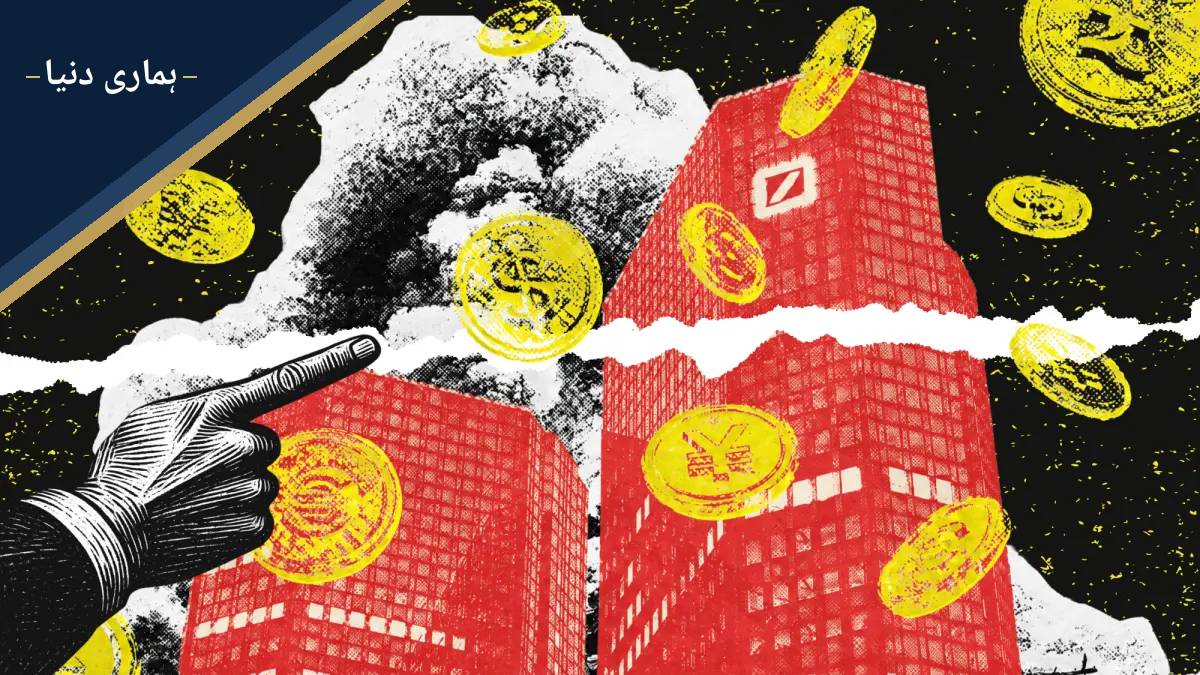
More than 15 million internal files from Deutsche Bank have been leaked to journalists, making it the largest cache of internal documents ever obtained from inside a bank. The files include emails from senior executives, secret risk assessments, and suspicious transaction reports.
A global investigation called Inside Deutsche Bank involved more than 200 reporters from over 50 countries. The data was shared by two whistleblowers, whose identities are being protected, with Indian journalist Josy Joseph and South African journalist Khadija Sharife. Barracuda Media, a non-profit group based in South Africa, helped analyse the files and share them with more than 50 media outlets. The whistleblowers also gave material to the US Department of Justice, the US Financial Crimes Enforcement Network, and Britain's HM Revenue and Customs.
Powerful Clients Named in the Files
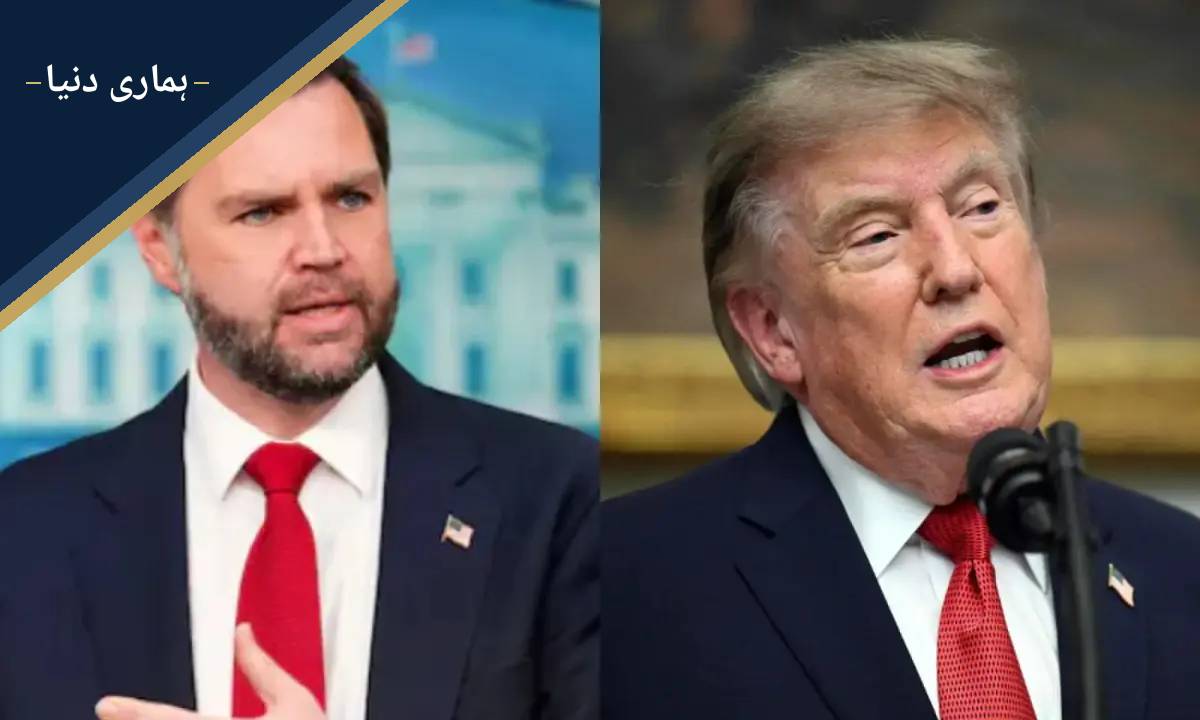
The leaked records contain private financial information about billionaires, oligarchs, politicians, and royalty. Prominent names include former US President Donald Trump, the late financier Jeffrey Epstein, Russian oligarchs Oleg Deripaska and Roman Abramovich, Malaysian financier Jho Low, and Thailand's King Rama X.
- Deutsche Bank accepted Epstein as a client in 2013, years after his conviction. The bank later identified nearly $600 million in suspicious transactions involving him and his network.
- The bank processed payments linked to Rifaat al-Assad, Syria's former vice-president, and accepted a fine of €7.01 million in 2022 for late reporting of suspicious activity.
- A Saudi businessman named on the "Golden Chain" list of suspected Al-Qaeda sponsors was a client through a company whose ultimate beneficial owner he was.
- Deutsche Bank's Malaysian unit is being sued by 1MDB over alleged involvement in moving funds from the state investment fund, where more than $4.5 billion was allegedly stolen.
- Records show the bank allowed companies linked to South Africa's Gupta brothers to move about $675 million between 2012 and 2017.
Compliance Failures and Missed Warnings
The files show Deutsche Bank repeatedly missed warning signs of money laundering and sanctions violations. The bank bent its own rules for powerful clients and sometimes discovered serious failures only years after suspicious money had passed through its systems.
In one case, employees in 2019 found a suspected money laundering network that had moved hundreds of millions of euros through companies in Cyprus, Britain, Hong Kong and Ukraine. It took about three years for staff to spot the full pattern.
Separate records show transactions involving suspected North Korean front companies went undetected even when payment details included the words "North Korea."
In Colombia, an internal investigation called Project Cali found that in 2019 the bank processed thousands of transactions for companies linked to the adult entertainment business. Money was sent to women in Colombia through suspicious paths without most transactions being reported to authorities. The bank later filed 230 suspicious activity reports.
Deutsche Bank's Response
Christian Sewing became chief executive in 2018 and promised the bank would be more stable and "a bit more boring." Deutsche Bank told reporters it is a "different bank today" under his leadership. The bank said it invested 7 billion euros in its control environment between 2019 and 2025.
We are a different bank today. Under Christian Sewing's leadership, Deutsche Bank has gone through a fundamental transformation.
The bank said it does not comment on potential, former or existing client relationships. On Epstein, it acknowledged its error in onboarding him in 2013 and said it regretted the historical connection.
Other Findings From the Leak
- The bank paid more than 20 billion euros in fines and settlements since 2000 over failures including mortgage securities, interest-rate manipulation, Russian mirror trades, and anti-money-laundering breaches.
- Deutsche Bank operates across roughly 55 countries directly, and more than 140 countries are reached by its correspondent banking network.
- German investigators raided Deutsche Bank's Frankfurt headquarters at least four times this year in connection with Russia-related investigations.
- When Donald Trump won the 2016 US election, the bank created a special project around him codenamed "Novus Ordo." In 2017, an employee accidentally sent financial information for 1,586 customers to an outside party. Three accounts allegedly belonged to Trump, called "DT" and "DJT" internally. Sewing approved the handling with "Ok."
- The bank processed a 1.5 billion-euro payment for Trafigura's Arctic Vostok Oil project in 2020, months after promising not to finance new Arctic oil and gas projects.
- German authorities fined the bank 13.5 million euros in 2020 for failing to promptly report suspicious transactions linked to Danske Bank's Estonian branch, where roughly 200 billion euros flowed between 2007 and 2015.
- An internal email from Sewing complained that know-your-customer rules were "breaking the back of our revenue." The bank rejected suggestions about his attitude.
- The bank's hiring practices included recruiting children of influential politicians and officials. In 2019, it paid $16.1 million in a settlement after a US Securities and Exchange Commission investigation into its hiring program.
- Russian oligarch Timur Kulibayev had a $15 million inflow from a United Arab Emirates account blocked in January 2020. Records show the bank later discussed opening an account for his wife in Luxembourg.
The whistleblowers said they wanted to expose Deutsche Bank's relationships with Russian oligarchs and Russian money. The investigation continues, and media partners plan to publish more stories from the files in the coming weeks.