Little Hope of Return for Tulkarem Displaced
Displaced Palestinians from the Tulkarem refugee camp in the occupied West Bank say they have little hope of returning home, even if Prime Minister Benjamin Netanyahu leaves office. Netanyahu has vowed that no one removed from the camp near the northern city of Jenin will be allowed back.
His party lost seats in Israel's general election last month, and former general Gadi Eisenkot has been tasked with trying to form a new government. But 64-year-old Adel Darsieh, who was pushed out of the camp last year, said the change makes no difference.
"Whether it's this government or a new one, what does it change? They're two sides of the same coin," Darsieh said.
According to UN figures, the Israeli operation launched last year displaced 12,100 people from the Tulkarem camp. The military carried out the operation in early 2025 during a temporary ceasefire in Gaza, saying it wanted to root out alleged fighters.
The Tulkarem camp was set up in 1950 for refugees who fled or were forced out during the creation of the state of Israel in 1948. The West Bank has been occupied by Israel since 1967.
Food Aid for Displaced Families
Darsieh now lives near the camp in a modest, makeshift home with a sheet metal roof. His wife uses a wheelchair. He receives meals from Fazaa Kitchen, a solidarity group that prepares food for displaced people.
Working from the Wadi al-Hawarith charity building, volunteers in orange jackets fill, seal and package food portions. The group distributes about 1,200 meals to 400 families.
"If we weren't cooking, families would be going to bed with empty stomachs," said Hussein al-Sheikh Ali, 60, the organisation's head, who is himself displaced.
Asia Assaf, 44, a Fazaa Kitchen volunteer whose home was destroyed in March 2025, said political debates are far from her daily concerns.
Destroyed Camp and Political Uncertainty
Faisal Salama, who heads the Tulkarem camp's popular committee, called Netanyahu's decision to stop residents returning illegal. He pointed to Israel ending an operation in Hebron soon after the election, an operation that had displaced 3,000 Palestinians.
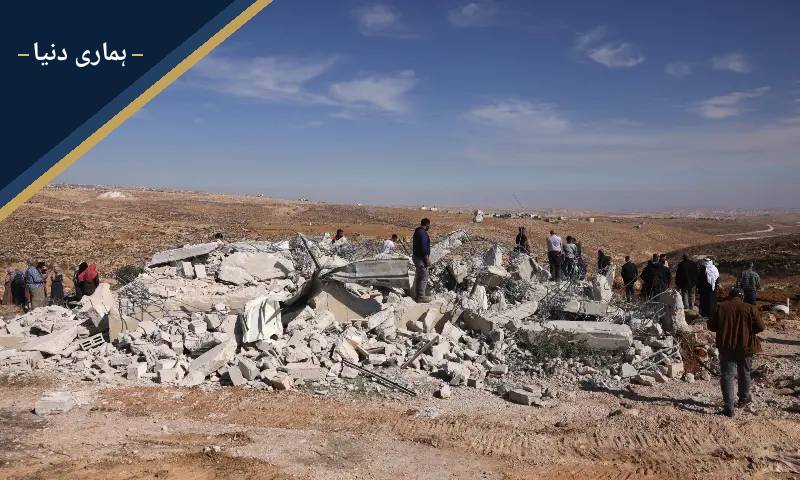
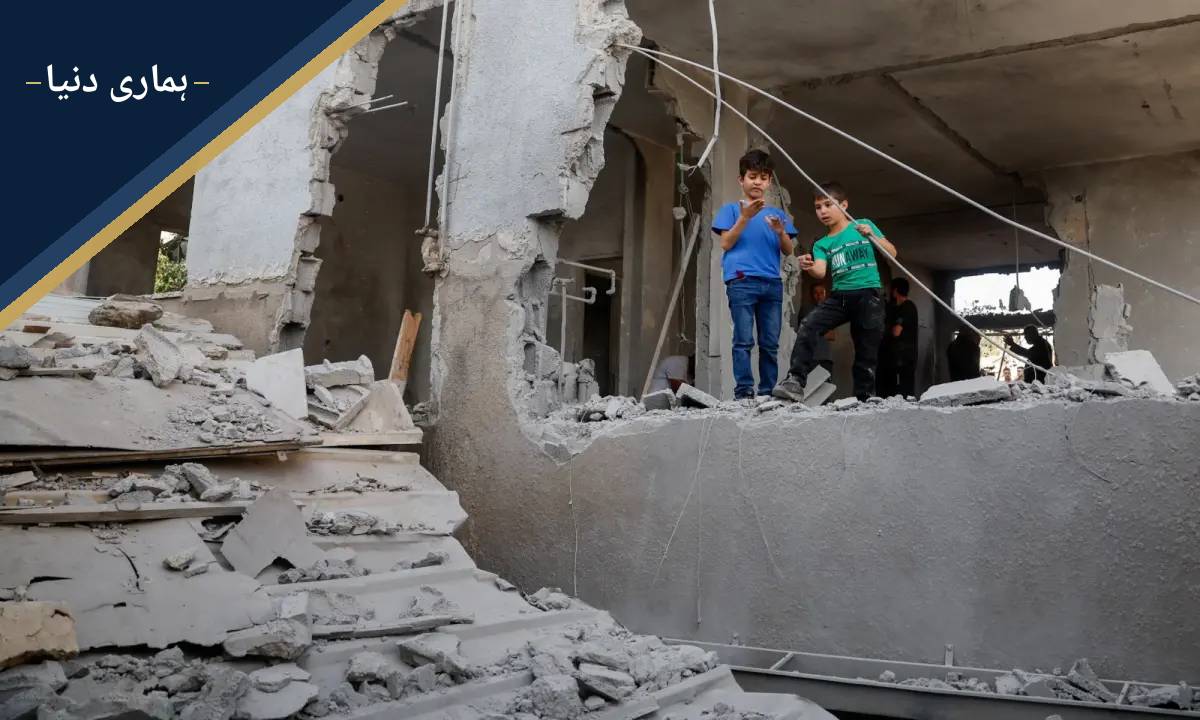
Even if residents could return, much of the camp has been destroyed. Houses have been razed, buildings emptied and businesses burnt down.
Netanyahu's caretaker government, which includes far-right figures, has rapidly expanded Israeli settlements in the West Bank. These settlements are considered illegal under international law.
Beth Oppenheim, a policy fellow at the European Council on Foreign Relations, said a consensus has emerged among Jewish Israelis on key West Bank policies, including opposition to a Palestinian state. She added that Eisenkot could be more flexible on allowing a return to Tulkarem, though any move would likely be framed as a security measure.