
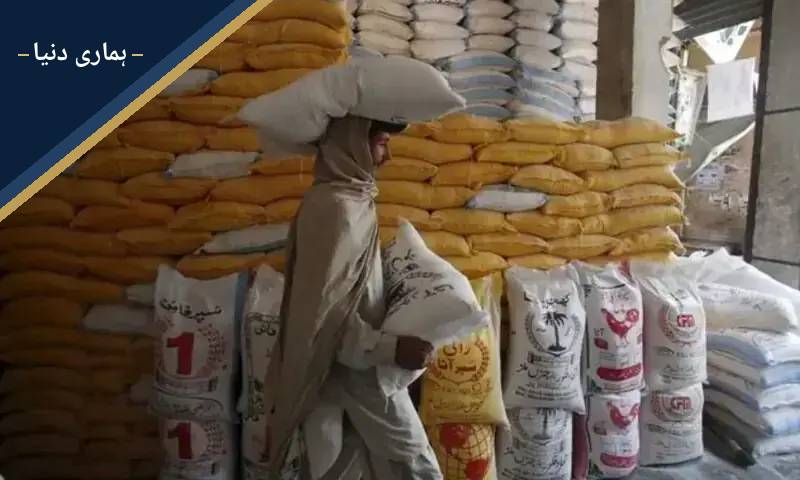
Wheat flour prices are rising again in Karachi and other parts of Pakistan even though imported wheat has started arriving. Retailers have increased the price of flour No. 2.5 to Rs180 per kilogram and fine flour to Rs200 per kilogram, an increase of Rs10 per kilogram.
Current Flour and Wheat Prices
Millers have raised the prices of flour No. 2.5 to Rs8,100 per 50kg bag from Rs7,800. Maida is now Rs9,000 per bag, up from Rs8,400, while fine flour costs Rs9,150 per bag, up from Rs8,550. High quality Chakki flour is sold at Rs200 per kilogram in the wholesale market and Rs215 per kilogram at retail.
Millers had earlier raised prices of different flour varieties by Rs20 per kilogram, then reduced rates before the imported wheat arrived. They have now started increasing prices again because authorities are not keeping vigil.
Why Prices Are Rising Despite Imports
More than 100,000 tonnes of wheat have arrived in Pakistan since the last week of October. The first shipment of 51,000 tonnes reached the country on October 28, which briefly pushed wheat rates down to Rs130 per kilogram from Rs140. However, open market grain prices returned to Rs140 per kilogram last week, leading millers to increase flour rates again.
In Karachi, millers are facing a shortage of grain in the open market because wheat arrivals from Punjab have stopped, while Sindh waits for imported wheat.
Stakeholders estimate a wheat shortage of 3 to 4 million tonnes. Annual demand stands between 31 million and 32 million tonnes, while wheat production in FY26 rose by 4.3 percent to 29.61 million tonnes from 28.40 million tonnes the previous year, according to the Economic Survey FY26.
Official Statements and Concerns
Muzammil Chappal, Chairman of the Cereal Association of Pakistan, said he had warned the government since May about a possible four million tonne shortage and requested permission for the private sector to import at least two million tonnes. Rauf Ibrahim, a wholesaler and trader, said the country needs at least three million tonnes of wheat until the new crop from Sindh and Punjab reaches markets between March and May next year.
Ibrahim added that federal and provincial governments have not launched an effective campaign against hoarders and stock pilferers since the wheat crop arrived in markets in FY26. He urged authorities to check wheat stocks in markets and godowns because speculators and investors have been active in commodity investing.
Impact on Consumers and Tandoor Owners
A miller said Karachi mills alone require 80,000 bags of 100 kilograms daily for grinding, making the imported quantity highly insufficient. The shortage is hitting low- and middle-income groups hard, with one trader warning that people will shudder at the thought of paying Rs2,000 for a 10 kilogram flour bag.
Wheat prices have also risen in Punjab and Khyber Pakhtunkhwa despite imported wheat arrivals. There are no uniform flour rates across the mill community, as each mill sets prices based on its own wheat stocks and market conditions.
Tandoor owners are dealing with high rates for both flour and LPG. So far, they have kept prices unchanged: chapati at Rs20, naan at Rs30 to Rs35, sheermal or taftaan at Rs100 to Rs110, and qulcha at Rs90 to Rs100.
Stakeholders estimate 3-4 million tonnes shortage of wheat
Published in Dawn, November 17, 2026