Bilawal Warns of Wider Conflict if Iran-US Talks Fail
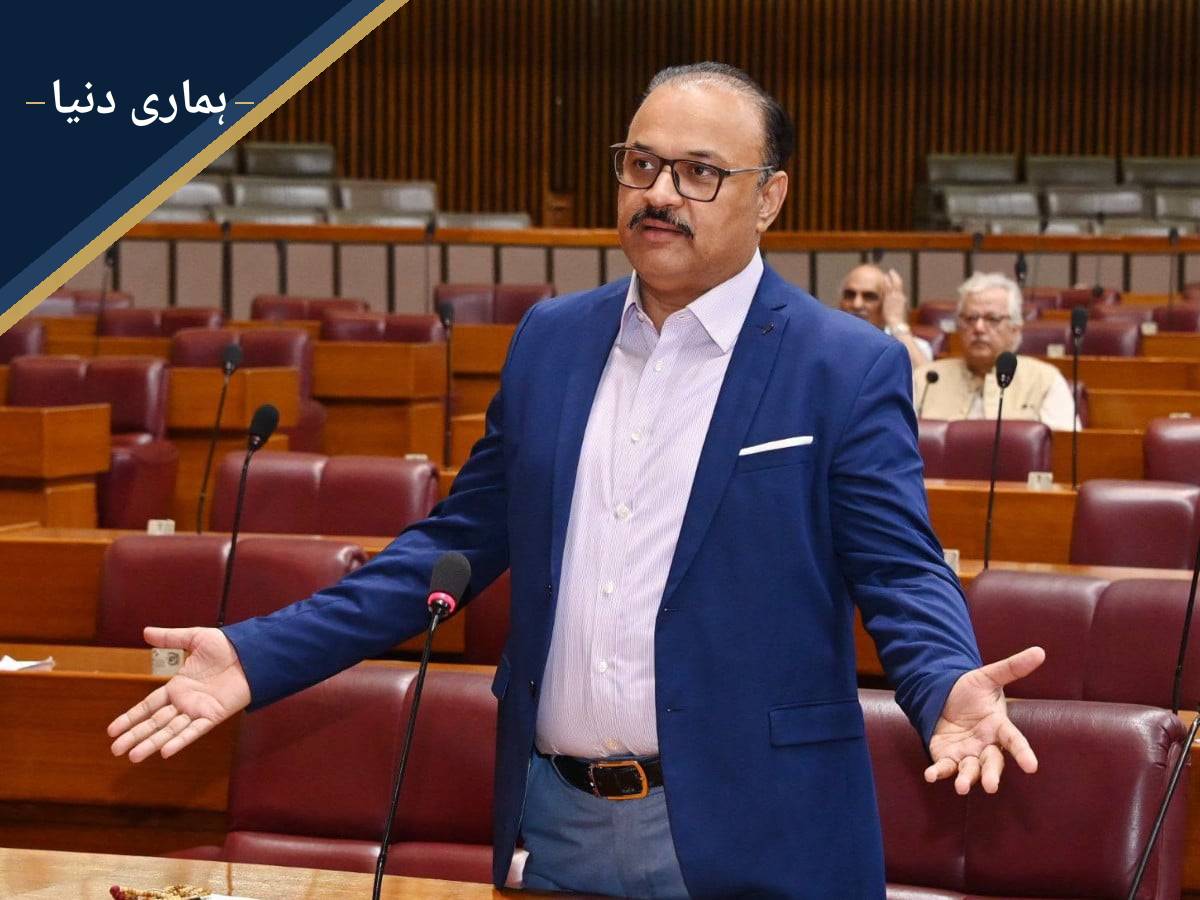
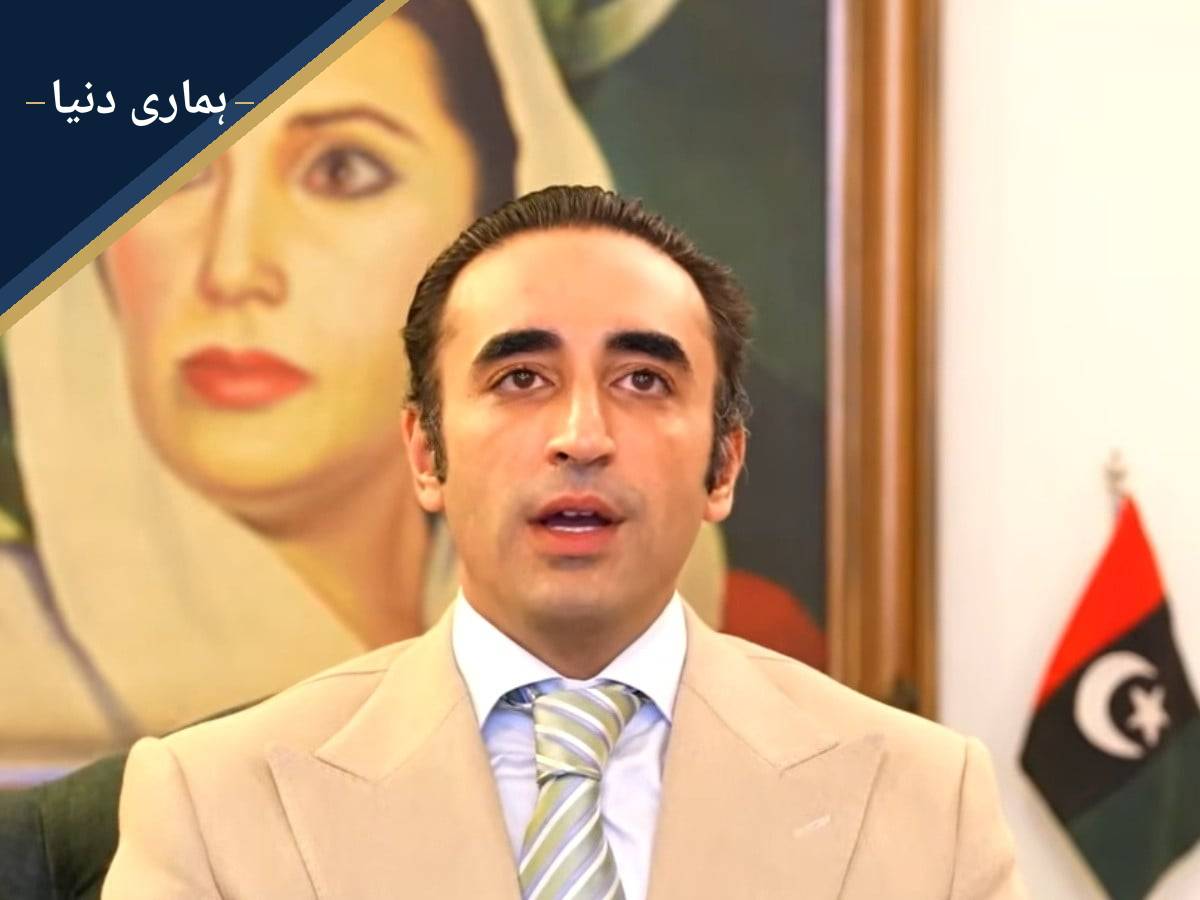
PPP Chairman Bilawal Bhutto-Zardari has warned that the Iran-US conflict could spread beyond its current boundaries if the ongoing diplomatic process collapses. In an interview with TRT World, he expressed optimism that both sides would reach a settlement soon.
If this dialogue process falls apart, the concern is that this conflict would exacerbate, it would spread, it would ferment, and it wouldn't be confined to what it is right now.
Bilawal said Pakistan played a key role in securing the initial ceasefire and sustaining dialogue between the two sides, adding that Islamabad remains actively involved in the process.
Economic Costs Affecting Everyone
The former foreign minister said the international community is concerned not only about security and humanitarian consequences but also economic costs being borne by people worldwide.
Everybody is paying the price of this war, at the pump, at the grocery store, in inflation.
He added the conflict is affecting economic growth, employment and poverty levels. While he would have preferred negotiations to conclude earlier, Pakistan remains optimistic about a settlement.
US Public Opinion and Israel's Role
Discussing US midterm elections, Bilawal said the American public consistently opposes further conflicts, particularly in the Middle East. He noted President Trump campaigned on peace and ending unnecessary wars.
On Israel's potential role, Bilawal said Israel is viewed by many as a spoiler wanting perpetual conflict in the region. He expressed scepticism that a new Israeli government would bring major policy change, saying both government and opposition figures hold hostile views.
Makkah Defence Alliance: Historic Cooperation
Bilawal described cooperation between Pakistan, Saudi Arabia and Turkiye as a historic development. The Makkah Defence Alliance was established under an agreement signed on August 7 by Turkish President Recep Tayyip Erdogan, Saudi Crown Prince Mohammed bin Salman, and Prime Minister Shehbaz Sharif.
Key Points of the Alliance
- Armed attack against any of the three countries considered an attack against all three
- Aims to strengthen deterrence and collective defence
- Not directed against any particular country
- Addresses emerging security challenges including terrorism, AI-related threats, and drone warfare
Bilawal personally favours expanding the cooperation to include GCC states and other regional countries.
I certainly personally would like to see this sort of cooperation expand to include more countries, the GCC as a whole, other countries within the GCC.
Changing Middle East Geopolitics
Asked whether the Iran conflict could lead to a post-American Middle East, Bilawal said the region is witnessing significant geopolitical shift, though it's too early to conclude about possible US withdrawal. Countries are increasingly looking to diversify security arrangements rather than relying on a single power.
He said Pakistan, while geographically South Asian, has deep historical connections with the Middle East through generations of trade, people-to-people links, and security partnerships.
Afghanistan Weapons Fueling Terrorism
On the US withdrawal from Afghanistan, Bilawal described the large quantity of weapons and ammunition left behind as devastating. Advanced weaponry has flooded black markets and is being used by terrorist groups in Afghanistan, spilling over into Pakistan.
- Sharp increase in terrorist activity and attacks in Pakistan
- Terrorist groups and criminal organisations acquired weapons more advanced than police forces
- Afghan government lacks capacity or willingness to deal with these groups
- Pakistan currently bearing the brunt, but consequences may not remain confined
Bilawal warned that terrorist activities originating from the region could eventually affect other parts of the world.