Second Round of Coalition Talks Begins in Herzliya
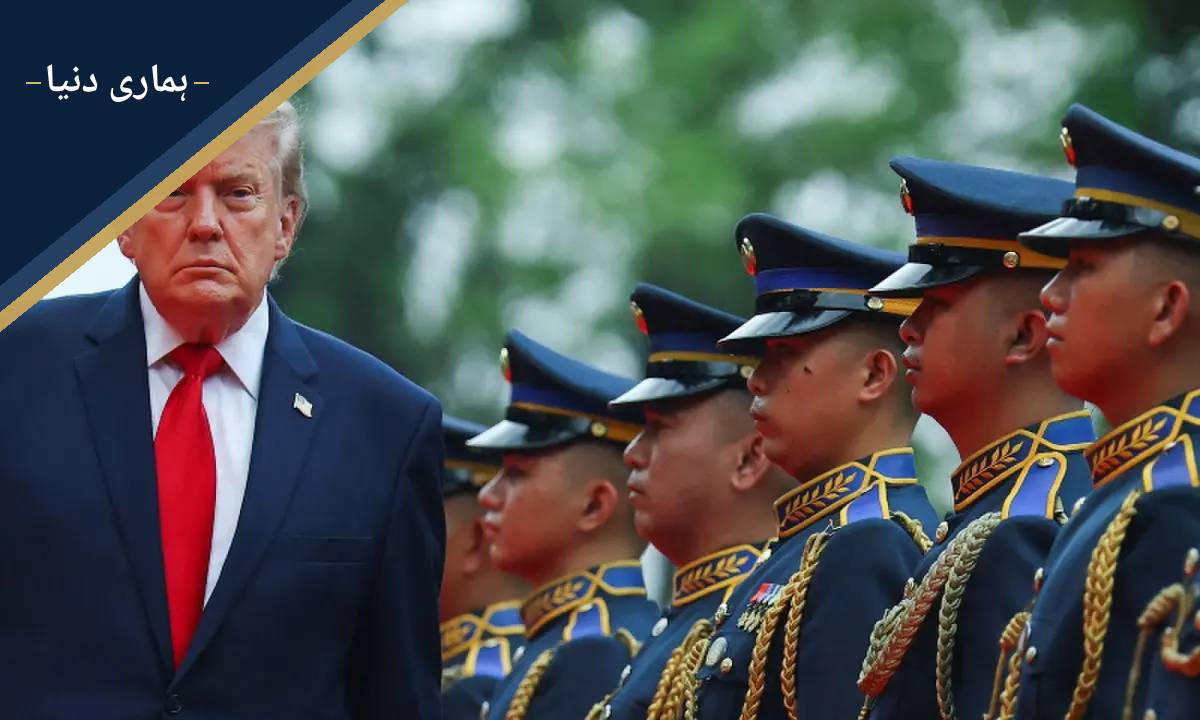
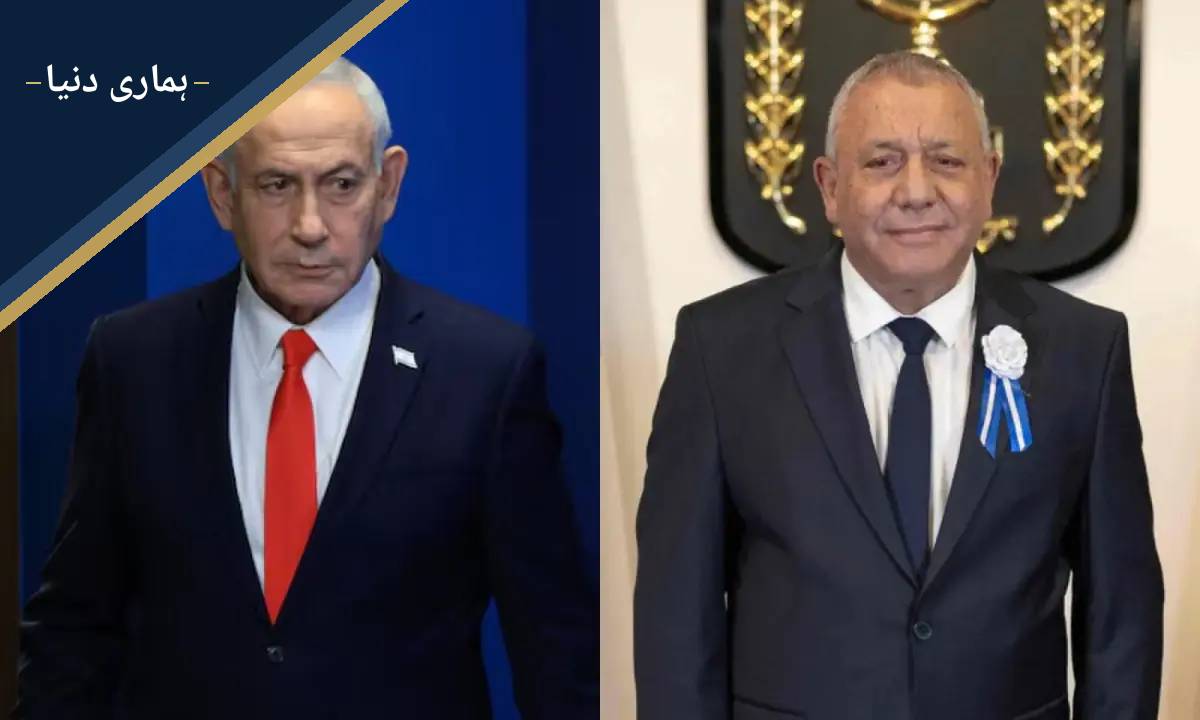
Delegations from caretaker Prime Minister Benjamin Netanyahu's Likud party and rival Gadi Eisenkot's Yashar party met on Sunday at a hotel in Herzliya, near Tel Aviv. This marks the second round of talks after an initial meeting last Sunday.
Eisenkot Faces December Deadline
Former army chief of staff Eisenkot has until December 6 to form a government, with a possible 14-day extension. October elections failed to give either camp an absolute majority. His 48-member bloc needs 61 lawmakers for a majority.
Three Coalition Options on Table
- Alliance with ultra-Orthodox parties
- Rapprochement with Arab parties
- National unity government with Likud
Netanyahu Pushes for Unity Government
Netanyahu favours a national unity government with a rotation of the premiership between the two men. Such an arrangement could protect him from corruption charges and allow him to oppose an independent inquiry into the security failures before the Hamas raid of October 7, 2023.
Major Obstacles Remain
Eisenkot refuses to serve in a cabinet led by Netanyahu, against whom he campaigned. Former prime minister Naftali Bennett, an Eisenkot ally, also rejected joining any coalition with "Netanyahu or his bloc, under any circumstances."
Likud Sets Strict Conditions
Likud demands an end to "all personal attacks and incitement to hatred" against Netanyahu. It also insists on excluding Arab parties, which hold a record 19 seats and oppose Netanyahu. Other demands include rejecting a Palestinian state, maintaining Israeli control over territories in Syria, Lebanon and Gaza, and a compromise on ultra-Orthodox conscription.
Eisenkot Warns Against Delays
On Friday, Eisenkot said he would not let talks drag on and was ready to submit an "emergency national government" to parliament. This suggests a two-stage plan: form a minority government with core opposition parties first, then broaden it.
Arab Party Support Complicates Matters
A minority Eisenkot government could rely on the 19 Arab lawmakers, but right-wing ally Avigdor Liberman rejects working with them and prefers an alliance with ultra-Orthodox parties.