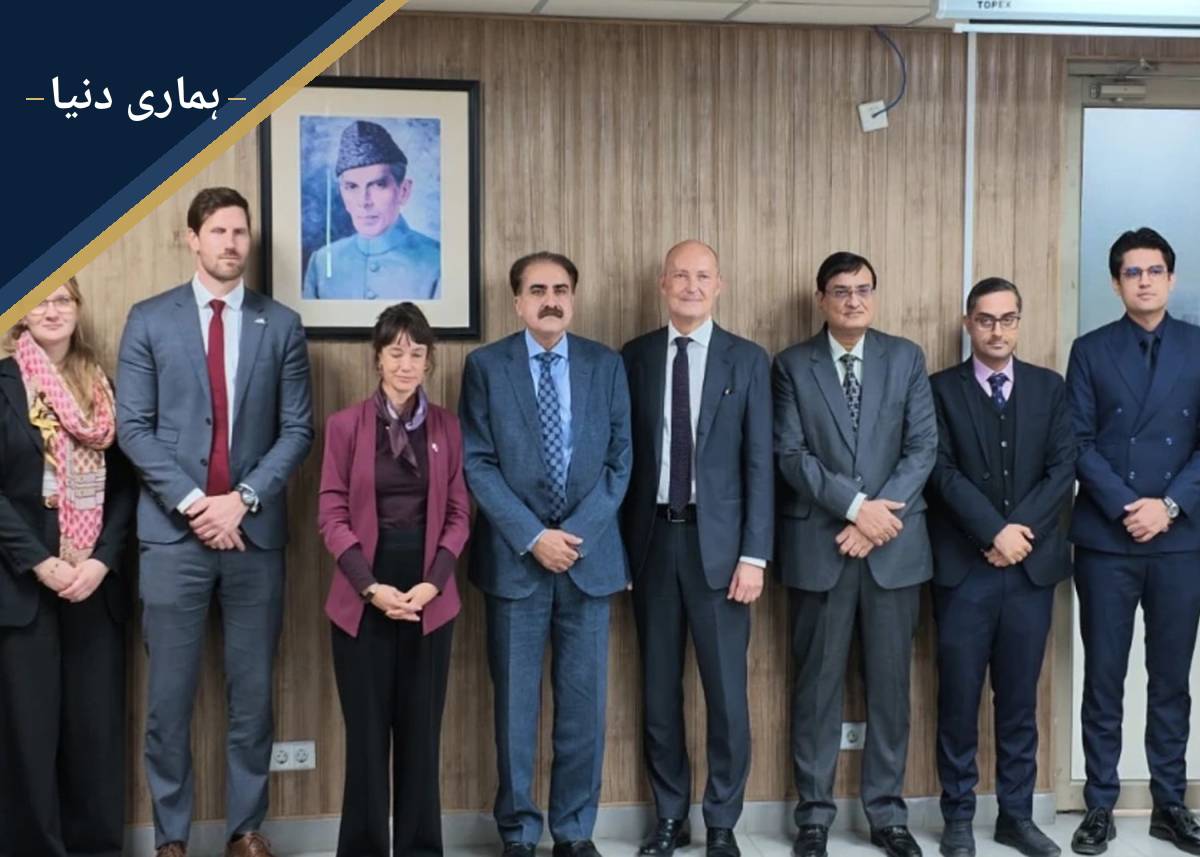
The Asian Development Bank (ADB) announced on Monday a seed investment in Neem, a Pakistan-based B2B fintech company. The investment will flow through ADB Ventures, the bank's venture capital arm. The amount was not disclosed.
Why This Investment Matters
ADB Country Director for Pakistan Emma Fan said Pakistan has built a strong foundation for digital consumer payments through the State Bank of Pakistan's Raast system and mobile wallets. However, business payments have not kept pace.
Business Payments Still Cash Heavy
According to the State Bank of Pakistan, an estimated 71 per cent of retail transaction value is still settled in cash. Companies that want to go digital must integrate separately with banks, wallets, payroll providers, and reconciliation tools. This process is slow, costly, and hard to scale.
What Neem Offers
Neem provides a single platform for businesses to manage collections, disbursements, a programmable ledger, and finance workflows. Its API-first system connects directly with a company's existing operating systems to automate settlement and reconciliation in real time.
- Serves more than 70 enterprise clients
- Clients span logistics, utilities, insurance, manufacturing, and retail
- Helps enterprises move away from cash and fragmented systems
Impact Beyond Large Enterprises
As businesses digitise payments, their suppliers, small merchants, and gig workers are brought into the formal financial system. Neem's solutions are built for businesses of every size, including women-owned businesses and micro-entrepreneurs.
Earned Wage Access for Workers
Neem also offers earned wage access as part of its lending portfolio. This gives employees responsible access to wages they have already earned. The offering focuses on blue-collar workers in industries with large workforces across Pakistan and helps reduce reliance on informal borrowing.
ADB Ventures Focus
ADB Ventures invests in early-stage technology companies addressing pressing challenges across Asia and the Pacific. Its focus sectors include financial technology, agricultural technology, climate resilience, and inclusive growth.