The United Nations' highest court has ruled that Myanmar committed genocide against the Rohingya Muslim minority. The International Court of Justice found Myanmar's security forces responsible for killings, sexual violence, and attacks on Rohingya civilians in 2017.
What the UN Court Decided
The International Court of Justice, also known as the World Court, delivered its ruling on Thursday. A panel of 15 judges found that the Republic of the Union of Myanmar committed genocide against the Rohingya group in Northern Rakhine State. Presiding Judge Yuji Iwasawa read the decision in court.
Key Findings From the Ruling
- Myanmar's security forces killed thousands of Rohingya civilians.
- Forces committed widespread sexual violence and acts of extreme violence against children.
- The military burned or razed hundreds of villages during clearance operations.
- Mass executions of men and boys were carried out.
- Hate speech targeting the Rohingya population was actively spread.
The court said the only reasonable inference was an intention to destroy a substantial part of the Rohingya population. The ruling is final and cannot be appealed.
Impact on Rohingya and Gambia's Case
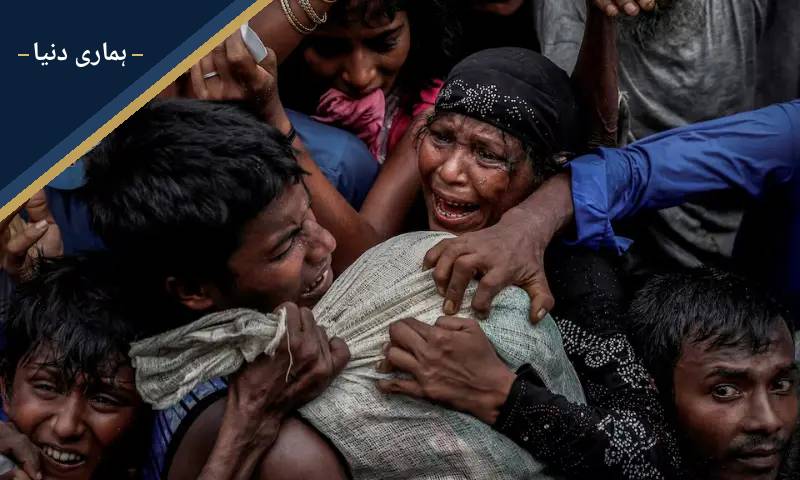
Gambia filed the case seven years ago. The court called the ruling a major legal victory for Gambia. Myanmar's military offensive drove at least 700,000 Muslim Rohingya out of Buddhist-majority Myanmar.
The court ordered Myanmar to compensate the Rohingya for violations, with the amount to be determined later. It also said Myanmar must allow the safe and dignified return of displaced Rohingya and support family reunification.
Broader Significance
This is only the fourth time since the Nazi Holocaust that an international court has ruled the legal threshold for genocide was met. This marks the first time the court has held a state responsible for genocide.
Previous cases included the 1994 Rwanda genocide, the 1995 Srebrenica killings in Bosnia, and atrocities by Cambodia's Khmer Rouge in the late 1970s.
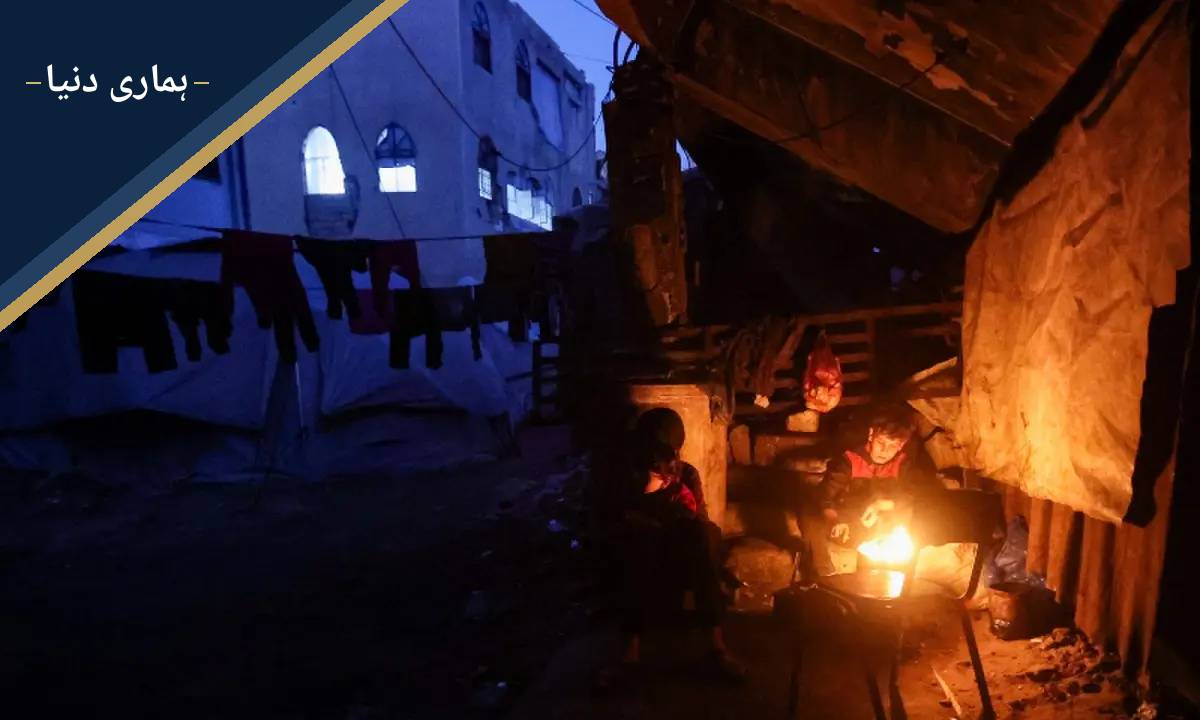
The decision may influence other cases, including South Africa's 2023 case accusing Israel of genocide in Gaza. Both Israel and Myanmar deny genocide and say their forces responded legitimately to attacks by armed groups.
Enforcement and Response
Myanmar's government did not immediately respond to a request for comment. While the ICJ ruling is final, the court has limited options to enforce it. The ICJ settles disputes between states and is separate from the International Criminal Court, which prosecutes individuals.