Pakistan Calls India's Indus Treaty Move Outlaw Behaviour at UN
Pakistan has told the United Nations that India’s unilateral decision to place the Indus Waters Treaty in abeyance is “outlaw behaviour.” The move violates international law, threatens the water security of more than 240 million people, and risks escalating tensions between the two nuclear-armed neighbours.
Pakistan’s Statement at the UN
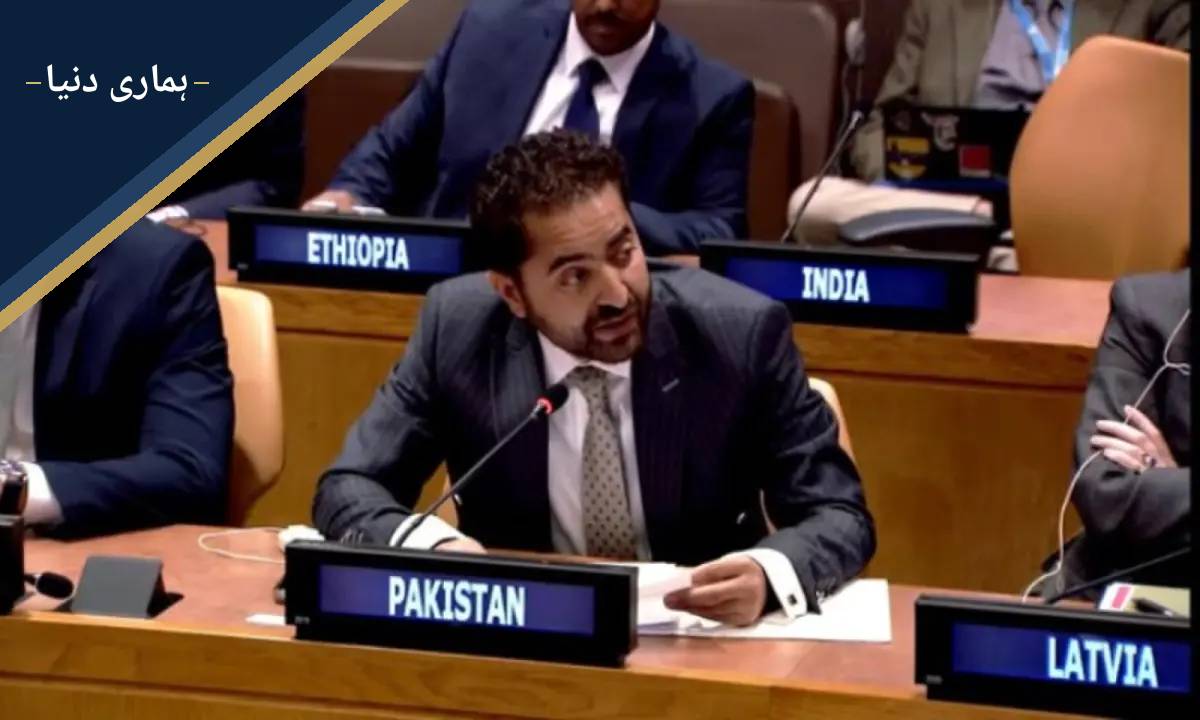
First Secretary Ansar Shah made the remarks while exercising Pakistan’s right of reply at a UN Security Council meeting on natural resources and conflict prevention. He said India was seeking unilateral authority to decide when the treaty applied and what conditions should govern its implementation.
Pakistan’s position was initially presented by Ambassador Usman Jadoon, Deputy Permanent Representative, at an Arria-formula meeting convened by Liberia on November 18. Jadoon said natural resources should support sustainable development and peace, not exploitation and conflict.
India’s Position and Pakistan’s Rebuttal
India’s Permanent Representative, Ambassador Harish Parvathaneni, defended existing international mechanisms for managing resource disputes and cited the Kimberley Process as an example of cooperation.
Shah rejected India’s arguments, saying the 1960 treaty has no provision allowing either party to place it unilaterally in abeyance. He noted that the UN Charter is older than the treaty and asked if India considered that outdated as well.
Indus Waters Treaty and Court Ruling
- The 1960 treaty governs the sharing of the Indus river system.
- Eastern rivers—Ravi, Beas and Sutlej—were allocated primarily to India.
- Pakistan holds rights over the western rivers—Indus, Jhelum and Chenab—subject to specified uses by India.
- The Court of Arbitration issued an award on August 31 confirming that the treaty remained fully in force and rejecting India’s grounds for suspending or terminating it.
Shah also raised other issues during the exchange, alleging that Indian forces had killed more than 100,000 Kashmiris since 1989 and accusing the ruling Hindutva establishment of promoting discrimination against minorities. He described Pakistan as a constitutional and democratic country and urged India to comply with international law and Security Council resolutions.