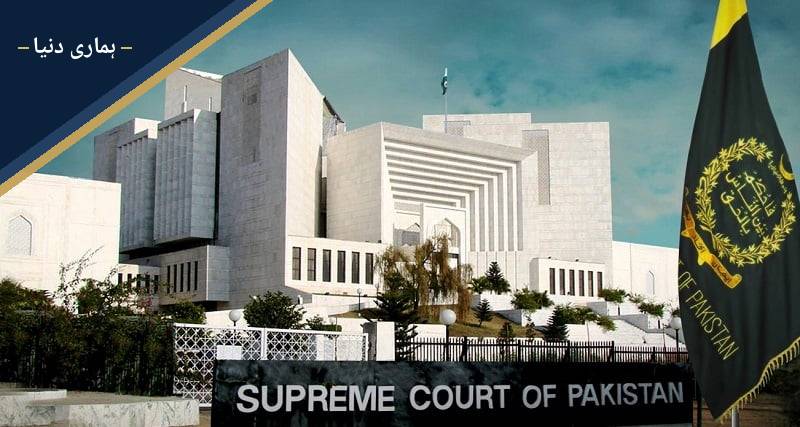
The Supreme Court has declared that a shrine built on privately owned land does not automatically become waqf property, voiding the Auqaf Department's takeover of a five-kanal-three-marla plot in Hafizabad.
Court Orders Return of Land Within 30 Days
A two-member bench comprising Justice Shahid Waheed and Justice Naeem Akhtar Afghan dismissed an appeal by the Chief Administrator Auqaf Punjab against a Lahore High Court judgment. The court ordered the department to restore administration, control, and possession of the property along with all structures to the original owner within 30 days of receiving the judgment.
Case Background
The dispute concerns land in Tawaley Wali, Tehsil Pindi Bhattian, District Hafizabad. The owner purchased the property through a registered sale deed in 1988. In 1993, a family member, Syed Shabir Hussain Shah, was buried there and a shrine was later constructed over the grave.
In 2003, the Chief Administrator Auqaf Punjab issued a notification under Section 7 of the Punjab Waqf Properties Ordinance, 1979, taking over administration, control, management, and maintenance of the shrine and the entire property.
Key Legal Findings
In the 10-page verdict authored by Justice Shahid Waheed, the court established several important principles:
- Permanent dedication is fundamental for establishing waqf — mere construction of a shrine, burial of a family member, and collection of offerings do not automatically convert private land into waqf.
- A waqf can be created orally or inferred from conduct, but there must be clear evidence of intention to permanently dedicate the property and relinquish ownership.
- Explanation 5 to Section 2(e) of the ordinance applies only where property has been permanently dedicated for a shrine.
- Offerings and cash box collections may be treated as waqf property under Explanation 4 to Section 2(e), but this does not make the underlying land waqf.
- Burial of a single family member on private land, without making it available to the general public as a graveyard, does not amount to permanent dedication.
Rejection of Auqaf's Argument
The bench rejected the argument that the mere existence of a shrine creates a presumption that the underlying land had become waqf. The court clarified that the ordinance's provisions on offerings apply only to the offerings themselves, not to the land on which a shrine stands.