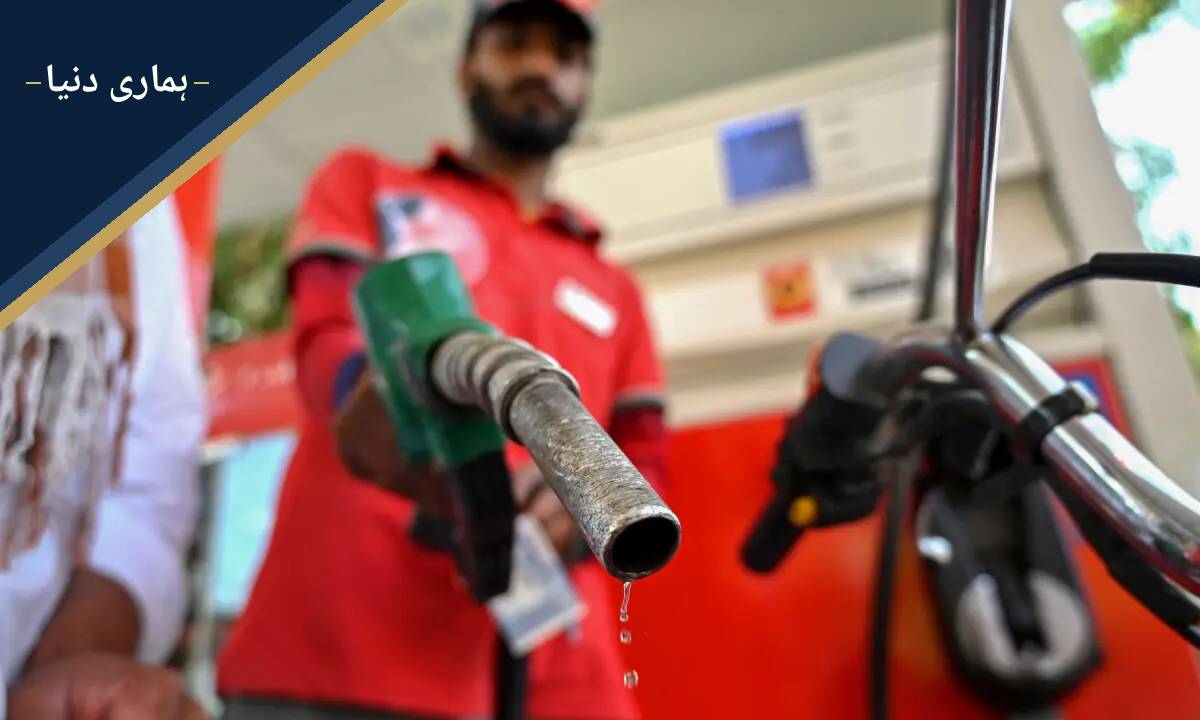
The government on Wednesday announced a reduction in fuel prices, with petrol decreasing by Rs4 per litre and diesel by Rs5 per litre, according to an Oil and Gas Regulatory Authority (OGRA) notification.
New Prices Effective November 26
Following the revision, the ex-depot prices from Thursday, November 26 will be:
- Petrol (MS-92): Rs314 per litre
- High Speed Diesel (HSD): Rs348 per litre
Diesel has now dipped below the Rs350 mark. The government continues to levy Rs114 per litre in taxes and duties on petrol and Rs100 per litre on diesel.
Refinery Contribution Arrangement
Under an arrangement announced on November 2 for a 30-day period, oil refineries will contribute to the petroleum levy by bearing a cumulative impact of Rs15 billion. This measure allows a Rs14.71 reduction in the petrol price at the consumer end.
Daily Pricing Mechanism
Since July 17, the government has been revising fuel prices on a near-daily basis due to fluctuations in international market prices following renewed hostilities in the Middle East. The petroleum minister stated that the cabinet and prime minister decided to give OGRA the responsibility of deciding fuel prices daily based on international market trends.
Price History Context
Fuel prices peaked during the Strait of Hormuz crisis in early April:
- Petrol reached an all-time high of Rs458.41 on April 3
- Diesel hit a record Rs520.35 on April 3
Before the US-Iran war broke out on February 28, the pre-crisis baseline prices were Rs266.17 for petrol and Rs280.86 for diesel.
Relief Measures
On September 17, the government rolled out the Prime Minister's Fuel Relief Scheme across the country to ease the public's burden. The subsidy applies to owners of motorcycles, rickshaws, and vehicles up to 800cc.
Additionally, austerity measures have been reintroduced, requiring markets to close by 9pm and cutting fuel allocations for official vehicles by 50% for three months.
Impact on Consumers
Petrol is mainly used in private transport, small vehicles, rickshaws, and two-wheelers, affecting the middle and lower-middle classes directly. Diesel price changes impact the broader public as it is primarily used in heavy transport, power plants, and large generators.
Petrol and HSD remain the major revenue earners with monthly sales of 700,000 to 800,000 tonnes, compared to just 10,000 tonnes for kerosene.