Supreme Court Rejects Auqaf Takeover of Private Shrine
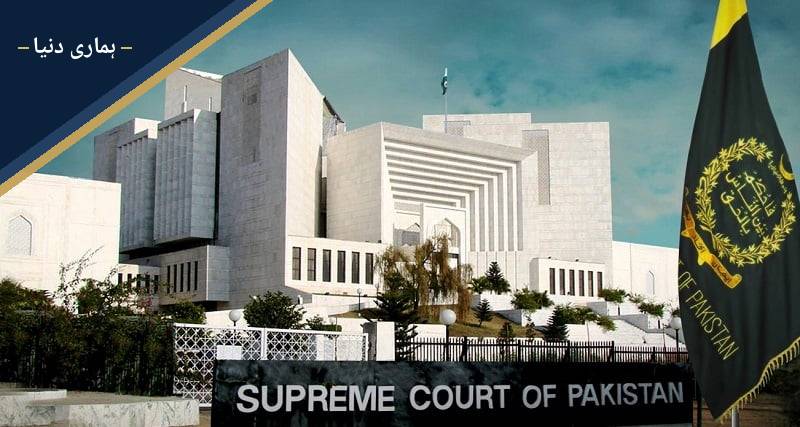
A two-member bench of the Supreme Court has ruled that a shrine built on privately owned land does not automatically become waqf property. The court dismissed an appeal by the Chief Administrator Auqaf Punjab and ordered the department to return a five-kanal-three-marla property in Tawaley Wali, Tehsil Pindi Bhattian, District Hafizabad, to its original owner within 30 days.
Key Points of the Verdict
- Permanent dedication of property is the fundamental requirement for establishing waqf.
- Mere construction of a shrine, burial of a family member, and collection of offerings do not convert private land into waqf.
- Explanation 5 to Section 2(e) of the Punjab Waqf Properties Ordinance applies only where property is permanently dedicated for a shrine.
- Offerings from cash boxes may be treated as waqf under Explanation 4, but this does not make the land itself waqf.
- Burial of a single family member without opening the land for public use as a graveyard does not amount to permanent dedication.
Background of the Dispute
The owner purchased the land through a registered sale deed in 1988. In 1993, a family member, Syed Shabir Hussain Shah, was buried there, and a shrine was later constructed over the grave. In 2003, the Chief Administrator Auqaf Punjab issued a notification under Section 7 of the Punjab Waqf Properties Ordinance, 1979, taking over the administration, control, management, and maintenance of the shrine and the entire property.
The Lahore High Court had previously ruled in favour of the owner. The Supreme Court upheld that judgment, authored by Justice Shahid Waheed, with Justice Naeem Akhtar Afghan concurring.