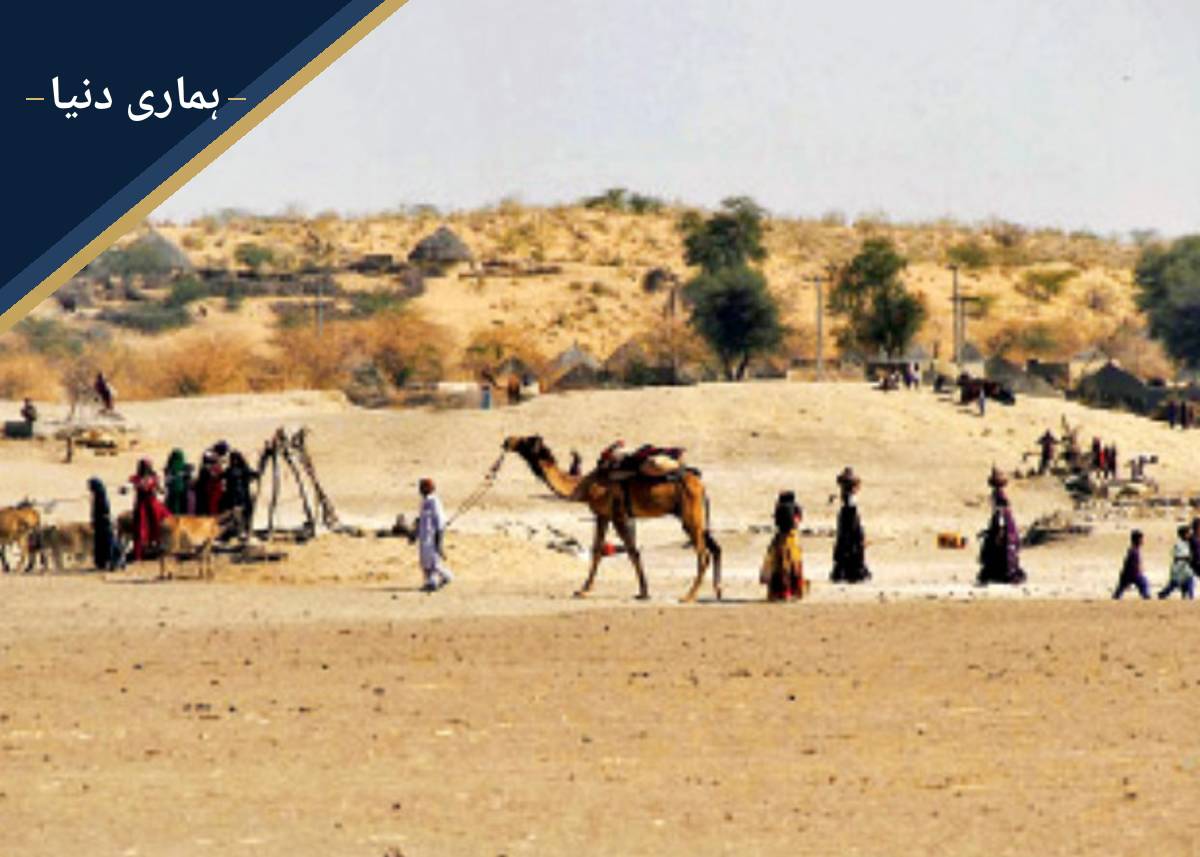
The Sindh government has launched emergency and long-term planning to tackle severe water shortages in Tharparkar following an extended dry spell. A high-level meeting in Mithi reviewed the drought situation and approved proposals for new pipelines, restoration of reverse osmosis plants, and a revised water distribution schedule.
Key Officials Lead Planning Meeting
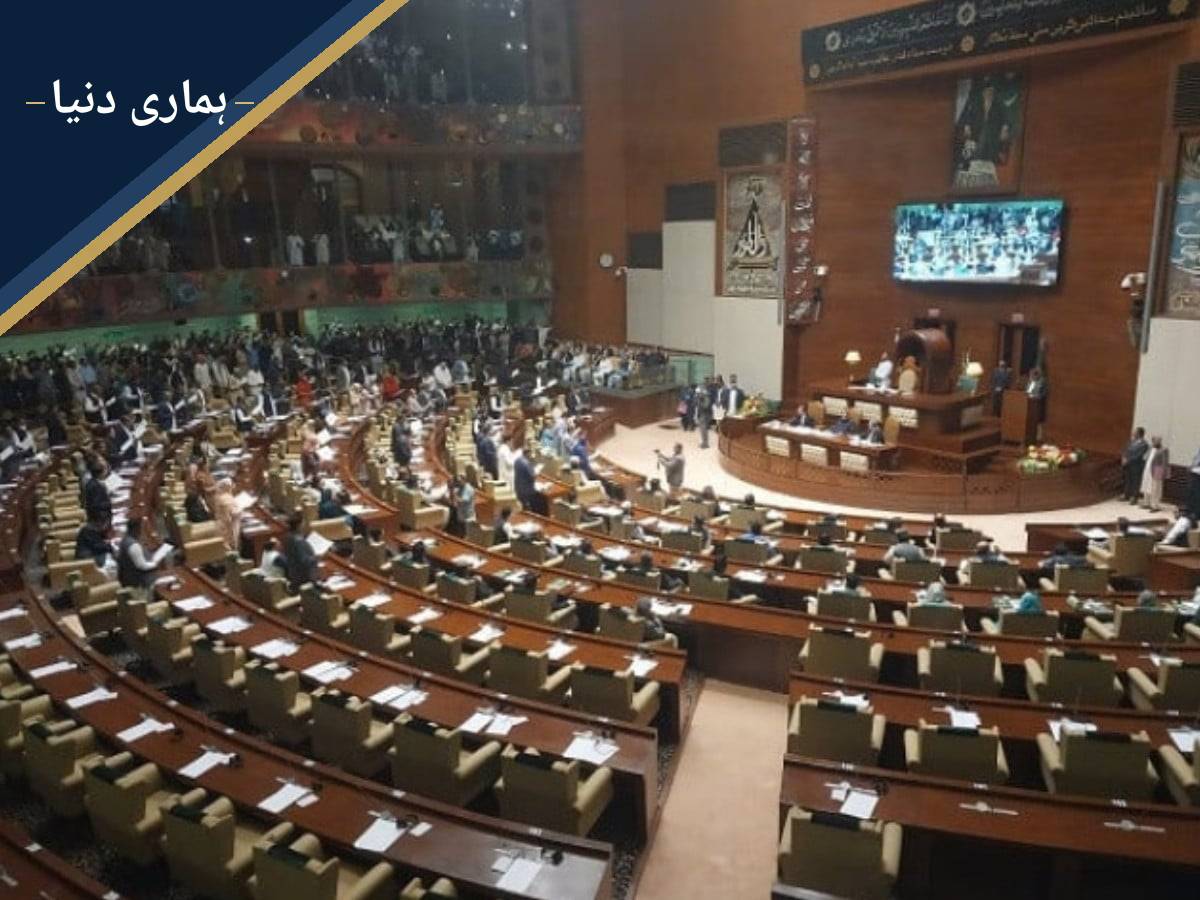
The meeting was chaired by Special Assistant to the Sindh Chief Minister on Public Health Engineering Muhammad Saleem Baloch and Parliamentary Secretary for Local Government Qasim Siraj Soomro. Deputy Commissioner Abdul Haleem Jagirani, district officers, and engineering teams attended the session at the deputy commissioner's office.
Groundwater Unfit, Half of RO Plants Broken
Saleem Baloch told media that groundwater in most of Tharparkar has very high total dissolved solids (TDS), making it unsafe for drinking. He revealed that nearly 50 percent of the district's 832 RO plants are currently non-functional. The government will assess all plants, repair broken units, and set up a regular maintenance system.
Proposed Pipeline Network to Replace Aging System
Water currently reaches Mithi from Naukot through a 12-inch pipeline that cannot meet growing demand. Mithi alone needs about 1.4 million gallons daily. The new plan includes three pipeline phases:
- 36-inch diameter pipeline from Naukot to Mithi
- 24-inch diameter pipeline from Mithi to Islamkot
- 18-inch diameter pipeline from Islamkot to Nagarparkar
A final decision will follow consultations with Chief Minister Syed Murad Ali Shah and party leadership.
Temporary Distribution Schedule Until Project Completes
Until the new pipelines are built, officials proposed a revised rotation: Mithi and Islamkot will receive water for two days each, while Nagarparkar will get supply for one day. This aims to distribute the limited available water more fairly across the district.
Community Management for Restored RO Plants
After repairs, RO plants will be handed over to Village Development Associations in each village. Saleem Baloch urged residents to treat the plants as their own assets and take active responsibility for protecting and maintaining them.