Coalition Partners Trade Sharp Words
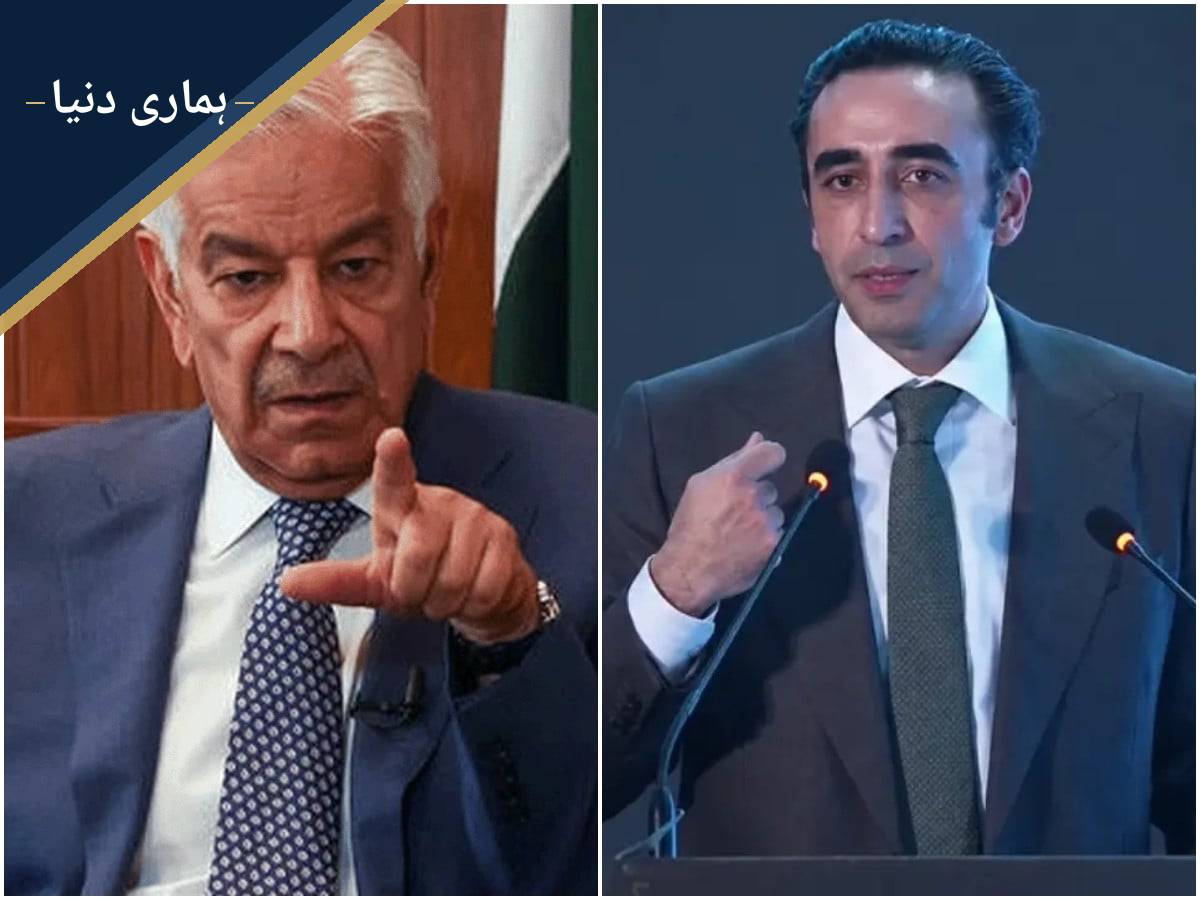
The verbal clash between the Pakistan Muslim League-Nawaz (PML-N) and Pakistan Peoples Party (PPP) has sharpened after Defence Minister Khawaja Asif launched a series of attacks on PPP Chairman Bilawal Bhutto-Zardari. The exchanges began after Bilawal's November 17 address at the Karachi Press Club where he criticised the government's handling of political and security challenges despite his party being part of the ruling coalition.
Asif's Multi-Pronged Attack
Between November 19 and 22, Asif posted multiple times on social media targeting Bilawal:
- Video contrasts: Shared clips comparing Bilawal's earlier call for political consensus with his recent government criticism, calling the younger generation "masters of duplicity".
- Beneficiary claim: Responded to Bilawal's stakeholder argument by saying he was "not just a stakeholder, perhaps the biggest beneficiary" and labelled it "rank opportunism".
- Property questions: Reposted drone footage of a Bahria Town Lahore property, asking who owned it, who lived there, and the source of funds. He questioned the moral standing of those without legal title to properties.
- Sindh performance: Shared a column titled "PPP — three questions" examining 18 years and seven months of PPP rule in Sindh. Asif cited Rs18,840 billion in federal transfers and questioned improvements in education, healthcare, and infrastructure.
PPP Leadership Hits Back
PPP leaders responded strongly to Asif's remarks:
- Senator Sherry Rehman declared Asif had "crossed a red line" with his comments against the party and its leadership, calling them unacceptable.
- MNA Sharmila Faruqui condemned the "derogatory language" and said political differences should be answered with arguments, not personal attacks. She expected "political maturity, seriousness and civility" from a senior federal minister.
Coalition Leadership Steps In
Amid the escalating tension, President Asif Ali Zardari and Prime Minister Shehbaz Sharif held two meetings on November 14 and 19 to ease friction. The second meeting included Interior Minister Mohsin Naqvi. Both sides emphasised resolving differences through "dialogue and mutual consultation". Other federal ministers including Tariq Fazal Chaudhry, Mustafa Kamal, and Talal Chaudhry had also questioned Bilawal's opposition to a referendum on new provinces.