Sanaullah Calls Naqvi's Handling of New Provinces a Total Failure
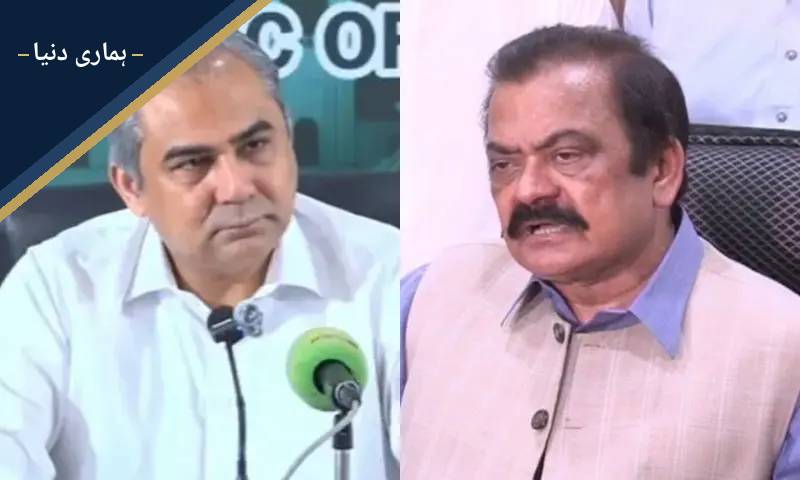
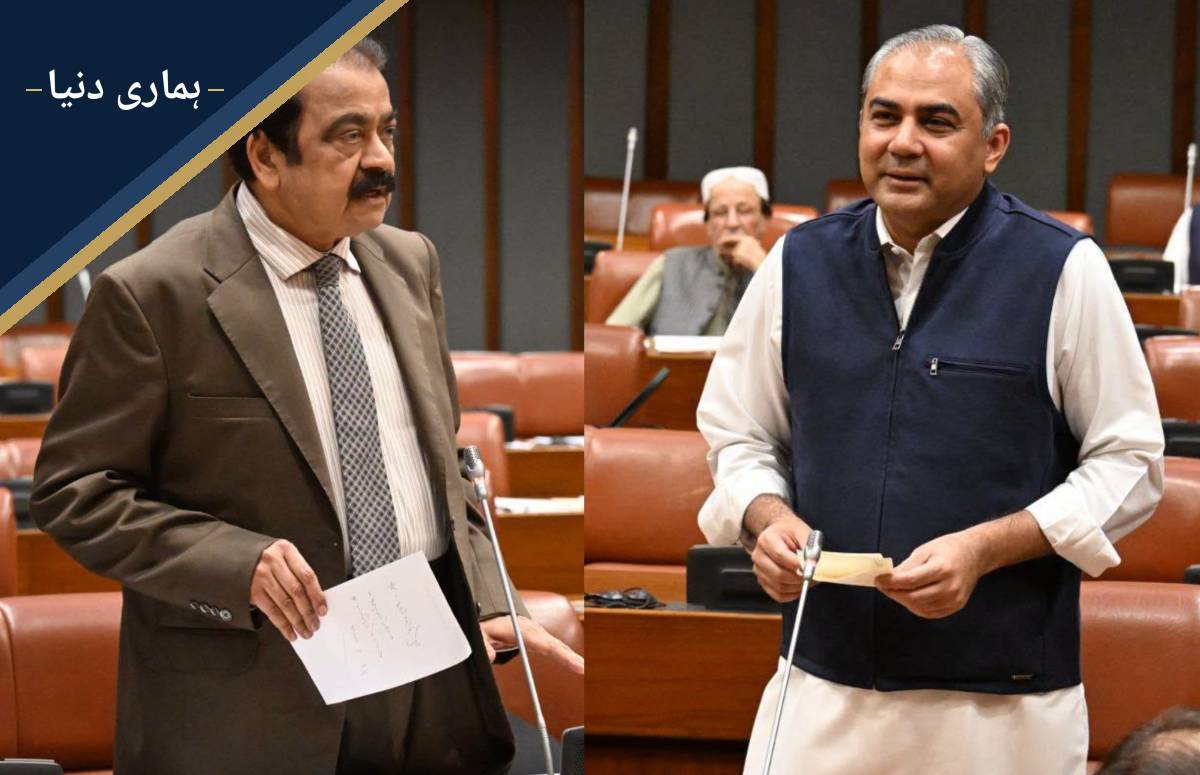
Adviser to the Prime Minister on Political Affairs Rana Sanaullah on Monday accused Interior Minister Mohsin Naqvi of mishandling the new provinces issue, saying he failed to consult the PPP leadership despite having four months to do so.
Speaking on a private television programme, Sanaullah said Naqvi should have taken PPP Chairman Bilawal Bhutto-Zardari and President Asif Ali Zardari into confidence on the matter. He described the interior minister's failure to do so as a "complete failure" and "total failure" on his part.
Cabinet Colleagues Exchange Sharp Words
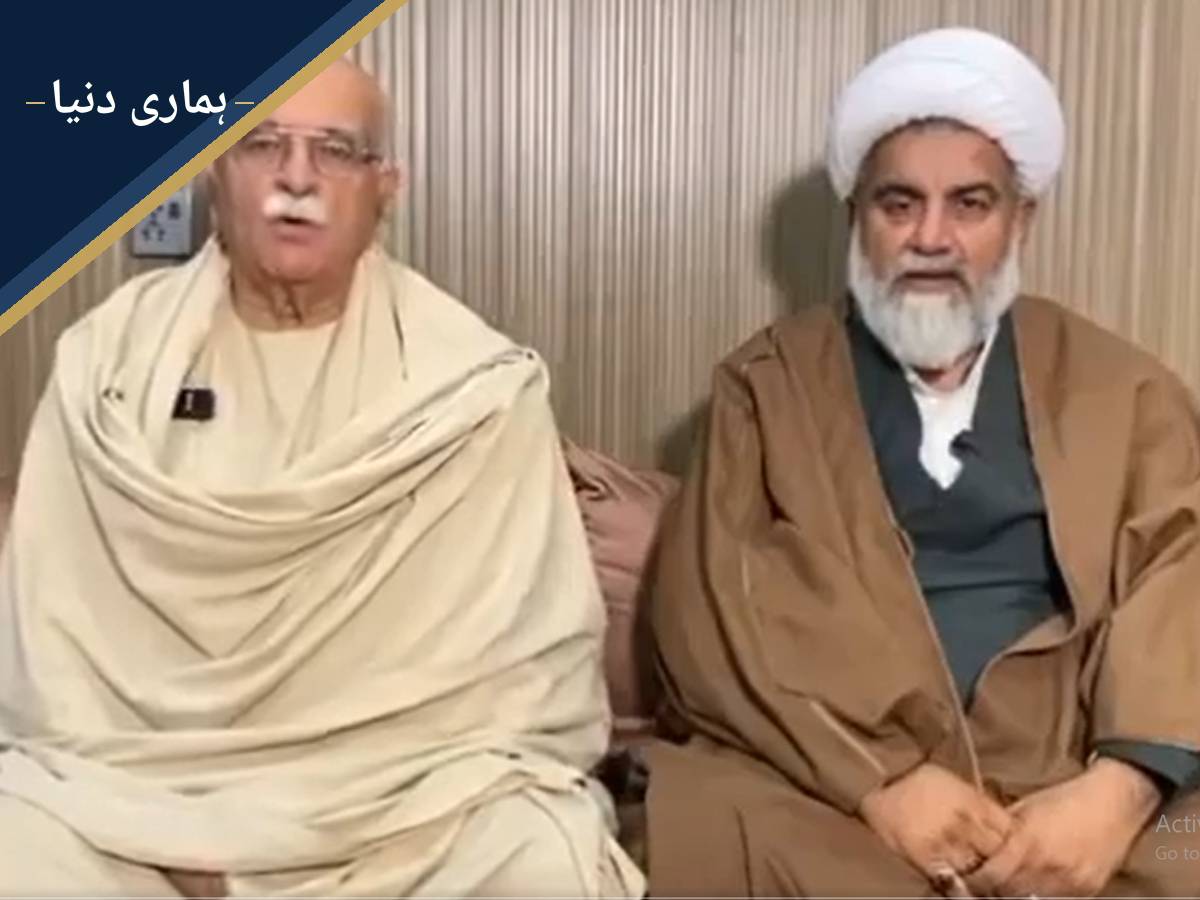
The remarks came a day after Naqvi warned a fellow cabinet member against repeated criticism, saying the minister would not be able to show his face if he responded. Sanaullah acknowledged Naqvi was referring to him and said he welcomed any comments from the interior minister.
Sanaullah rejected the notion that Naqvi's position as interior minister made him immune to criticism, stating that as a political worker and colleague, he had the right to express views on performance. He said he had always maintained Naqvi's dignity, referring to him as a "worthy interior minister".
Parliament Is the Proper Forum, Says Sanaullah
The adviser said Naqvi had wrongly attributed remarks about new provinces to the prime minister and Chief of Army Staff Field Marshal Asim Munir, calling it a red line for them. Sanaullah maintained he had only said the matter must go before parliament where consensus would need to be developed.
"I believe he complicated the matter by making irrelevant statements at an irrelevant forum. The issue has now become extremely controversial," Sanaullah said, adding that efforts would be made to build consensus in parliament.
PPP Leadership Says They Were Not Consulted
Sanaullah criticised Naqvi for failing to take the PPP leadership into confidence, noting that both Bilawal and President Zardari had recently indicated the matter had not been discussed with them.
"If the PPP is not on board and Bilawal Bhutto-Zardari is saying, four months later, that nobody even spoke to him, while President Zardari is also saying the matter was never discussed with him, then what have you been doing for four months?" Sanaullah asked.
He said if Naqvi had not spoken to the PPP leadership between July 30 and November 22, he was entitled to question the failure.
Referendum Idea and Political Reactions
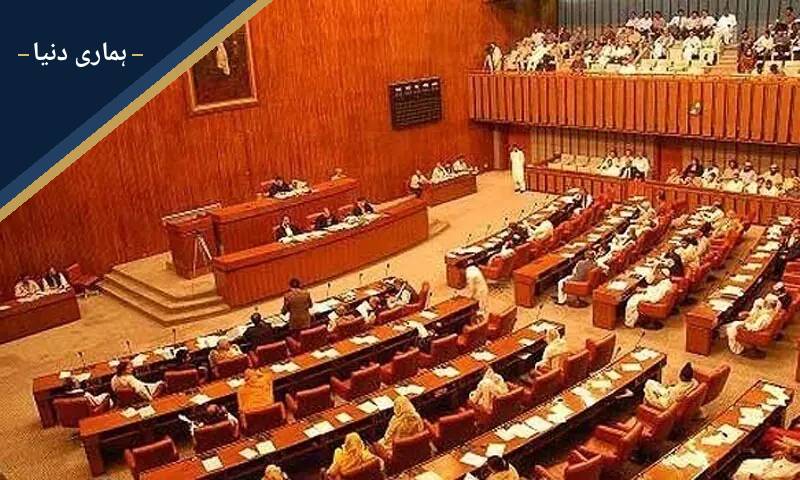
Sanaullah said a way forward could perhaps be found through a referendum, but stressed any discussion and decision must take place in parliament with proper debates in both the Senate and National Assembly, not at an economic forum.
He suggested the PPP's reservation about a referendum might be that the process could be used to obtain approval from a constitutional court. "If the PPP is assured that the Constitution will be followed and guidance will also be sought from the people, I believe a consensus could emerge on that point," he said.
Political Parties Divided on New Provinces
- PPP: Strongly opposes any move to divide Sindh
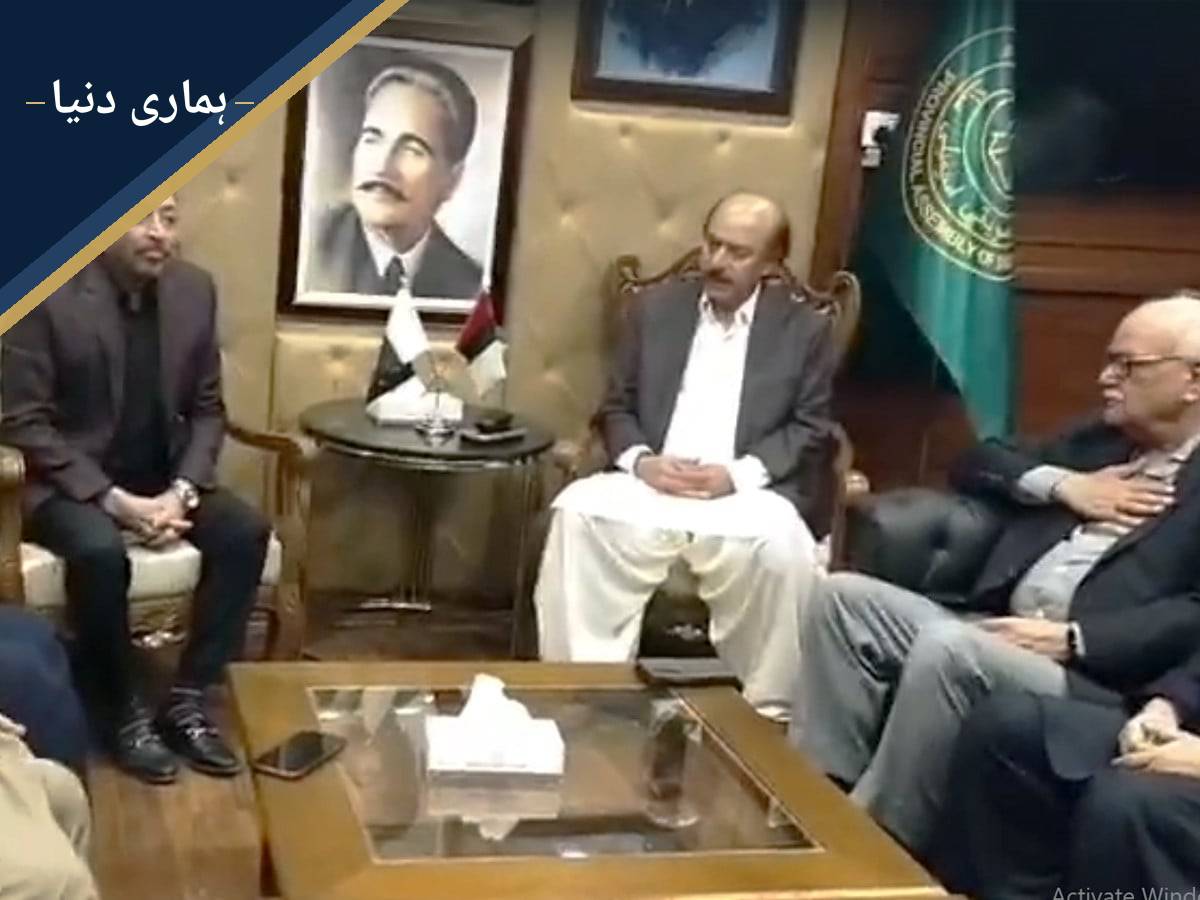
- MQM-P: Continues to advocate creation of additional provinces, particularly in Sindh
- Sindh Assembly: Passed a resolution on September 4 rejecting attempts to divide the province or alter its geographical boundaries
- Defence Minister Khawaja Asif: Supports creating as many as 12 provinces for better governance
Longstanding Demand for New Provinces
The demand for new provinces is longstanding, with calls for separate provincial status in South Punjab, Bahawalpur and Hazara based on administrative convenience, political representation and development disparities. The Punjab Assembly passed resolutions supporting South Punjab and restoration of Bahawalpur province in 2012, but the proposals did not translate into constitutional changes.
The debate gained momentum on July 31 when Naqvi called for creation of additional provinces or administrative units, arguing Pakistan's existing governance structure was outdated. He renewed his proposal in November, suggesting political parties hold a referendum to gauge public opinion while maintaining no decision would be taken without coalition partners' consensus.