Pakistan is seeking long-term mineral investment and wants to process minerals inside the country instead of exporting raw ore, the country’s leadership told global investors at the Pakistan Minerals Investment Forum 2026 in Islamabad.
CDF Munir on Security and Value Addition
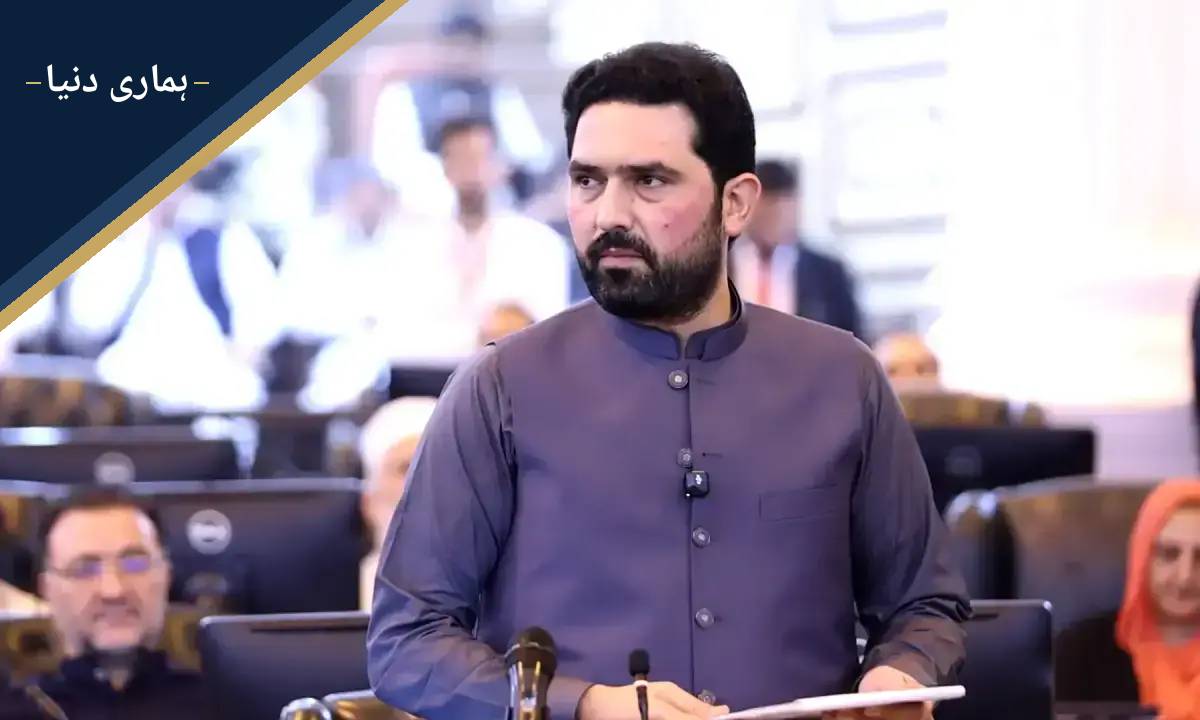
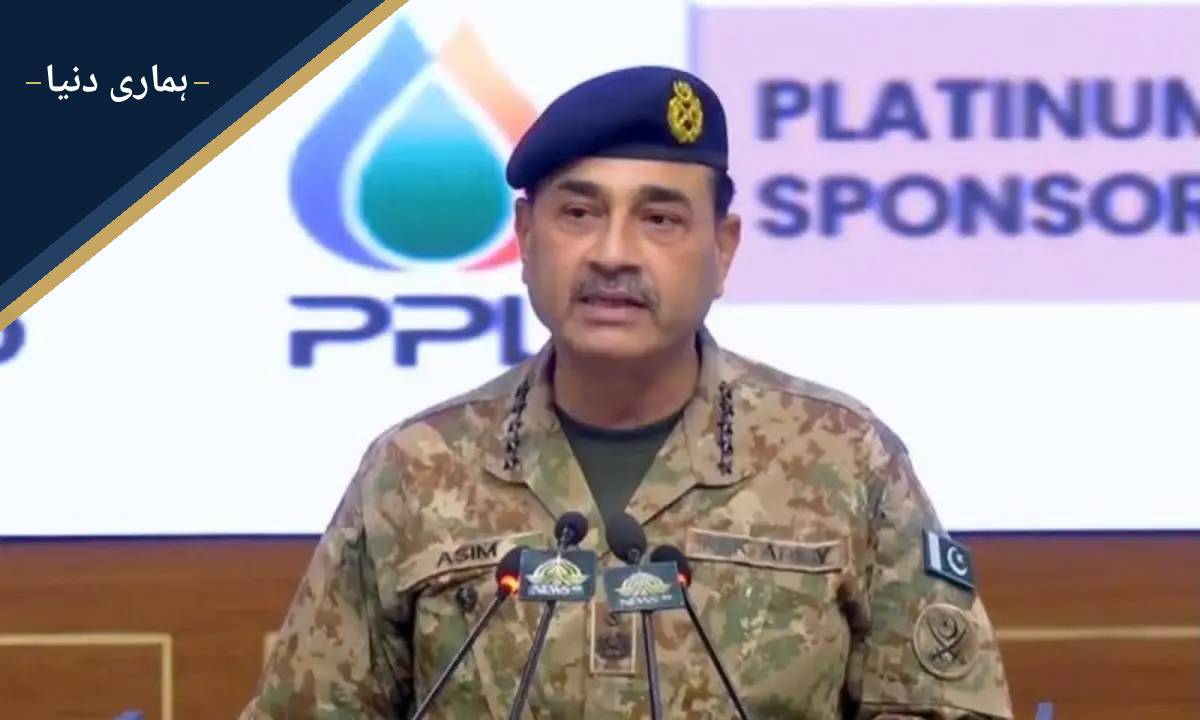
Chief of Defence Forces and Chief of Army Staff Field Marshal Asim Munir said on Friday that all possible measures were being taken to secure mines, miners, investments, industries and everyone linked to the mining ecosystem.
He said mineral development must benefit local communities and that people in mineral-rich areas should see tangible improvements in their lives. Pakistan’s goal, he added, was to move from raw exports to value-added growth by building the full chain, including refining and manufacturing.
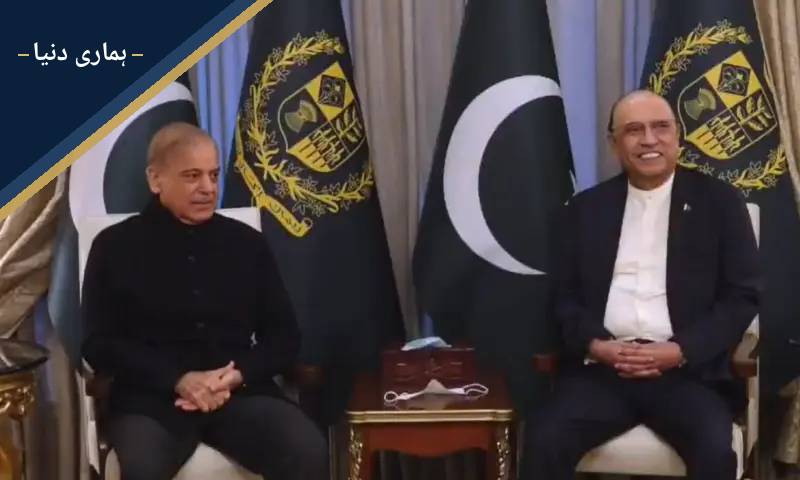
PM Shehbaz Sharif on Economy and Reko Diq
Prime Minister Shehbaz Sharif said Pakistan could become the world’s sixth-largest economy earlier than 2050, amending a Goldman Sachs assessment that had projected the position by 2075.
He said copper and gold production at Reko Diq on the Tethyan copper belt was expected to begin in 2028 after remaining stalled for about two decades.
The prime minister invited investors to “mine in Pakistan, process in Pakistan, manufacture in Pakistan, and then export to the rest of the world,” describing it as a win-win partnership.
He said procedures were being simplified, red tape eliminated, and licences and contracts awarded with complete transparency. Through the National Minerals Data Centre, investors could review geological data before committing “a single dime or yuan.”
Shehbaz Sharif stressed that federal and provincial governments would work together to provide all necessary support, and that protecting manpower, assets and supply routes was the government’s paramount responsibility.
“If any file gets stuck due to bureaucratic delays or cumbersome procedures, bring it straight to me. I will personally ensure that it moves at lightning speed.”
He also urged investors to build skilled training centres and vocational institutes for Pakistan’s youth, and said every investment should create local jobs, businesses, schools, clinics and clean drinking water for nearby communities.
Petroleum Minister on Strategic Minerals and Infrastructure
Petroleum Minister Ali Pervaiz Malik said exploration was increasingly focused on minerals of strategic importance to global investors.
- Copper and gold in Chagai and western Balochistan
- Lithium, tin and tungsten in Gilgit-Baltistan
- Antimony and base metals in Khyber Pakhtunkhwa
He said Pakistan was advancing copper smelting to capture more of the value chain and was digitising decades of geological information to give investors reliable data.
The minister pointed to the Geological Survey of Pakistan’s mapping programme at a scale of 1:50,000 and cooperation under the UK Pakistan Geoscience Capacity Building Programme for digital mapping and airborne surveys.
He added that infrastructure plans included upgrading the Rohri-Nokundi railway corridor, improving connectivity to Port Qasim, and developing support infrastructure around Reko Diq to connect mineral-rich regions with global markets.