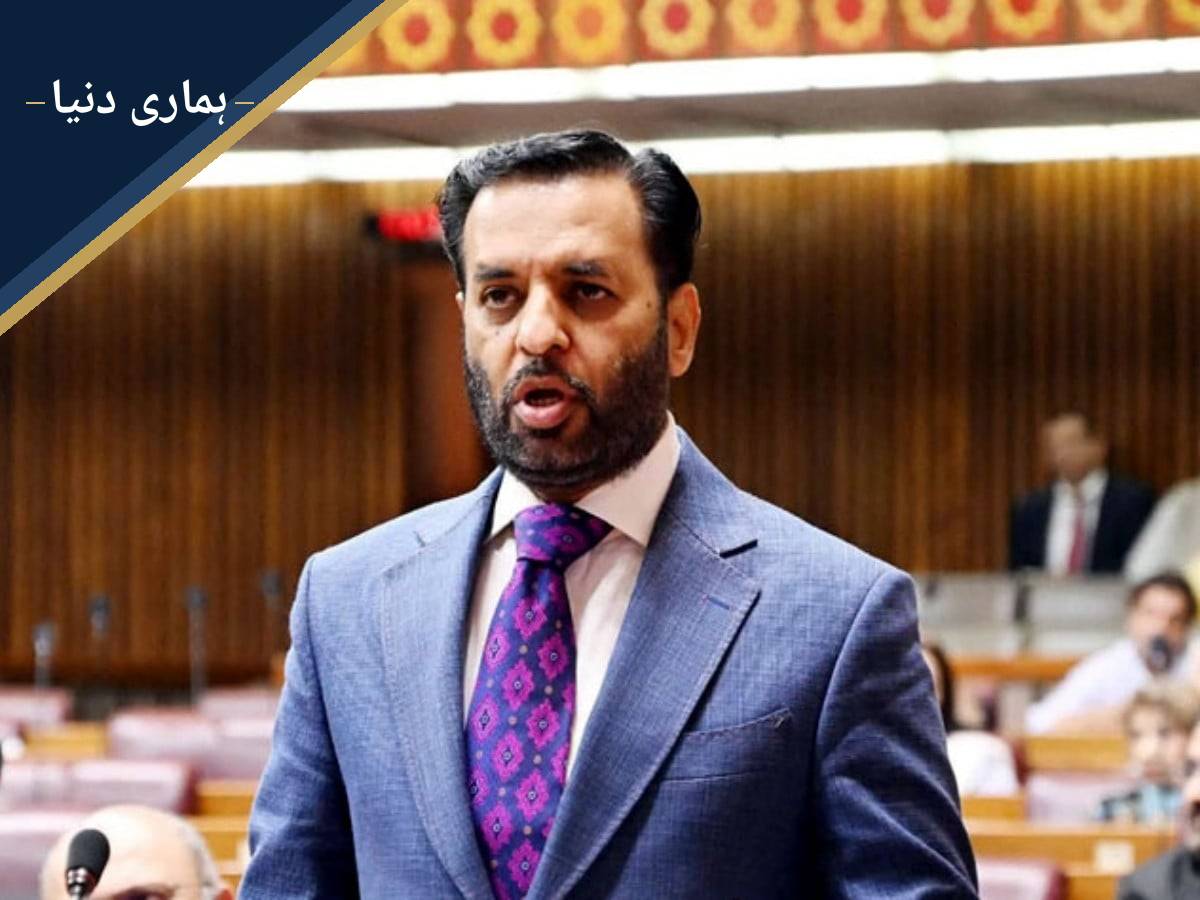
Mustafa Kamal Says New Provinces Are Pakistan's Need
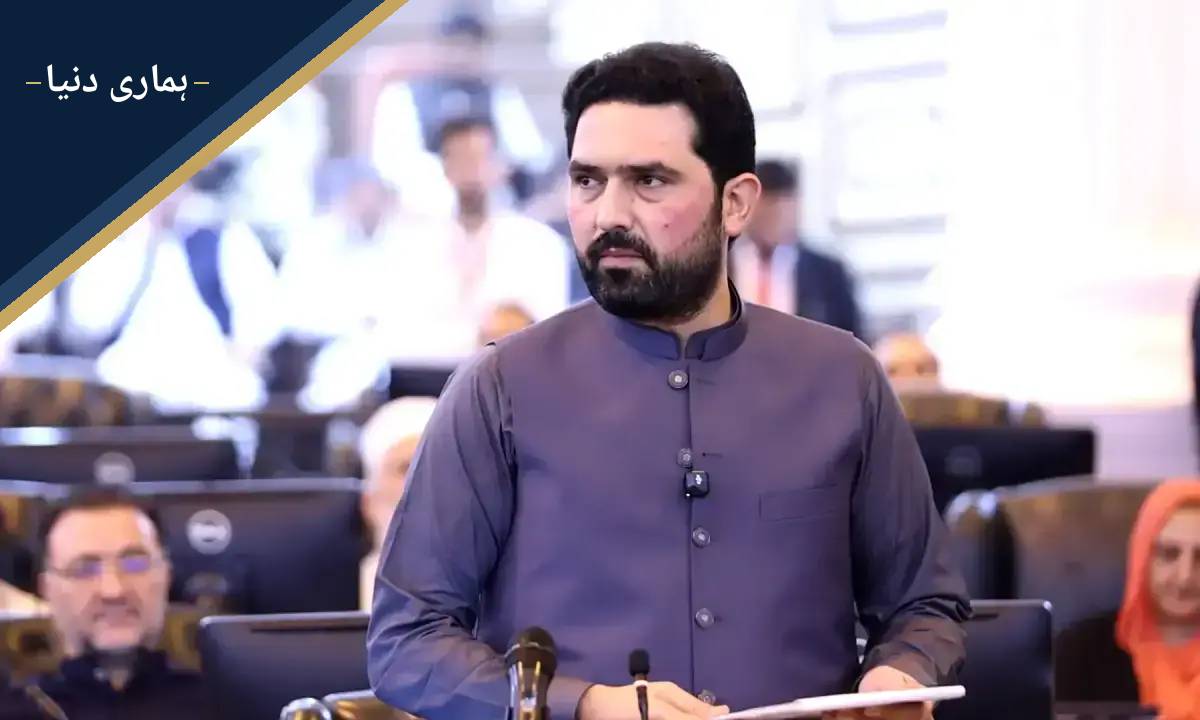
Federal Health Minister Mustafa Kamal has said the creation of new, smaller provinces is not anyone's personal wish but "Pakistan's need." Speaking at the inauguration of a regional office of the Allied Health Professionals Council in Karachi, Kamal added that new provinces have "become indispensable to save and run the state."
Kamal's Arguments for New Administrative Units
Kamal argued that Pakistan's population of 260 million cannot be governed with only four provinces under the current administrative model. He compared the size of existing provinces to other countries:
- Punjab is bigger than 180 countries
- Sindh is bigger than 175 countries
- Khyber-Pakhtunkhwa is bigger than 162 countries
- Balochistan is bigger than 185 countries
He said 57.5 percent of money in the divisible pool goes to the provinces. This year, the four provinces received Rs8.84 trillion, but the money is not reaching the village level. The biggest problem, according to Kamal, is that provinces have not devolved power downwards.
The minister also called Karachi "Pakistan's revenue engine" and said less than 10 percent of its potential has been tapped. He stated that the International Monetary Fund cannot pull Pakistan out of the economic quagmire, but Karachi can.
When a family grows, a new room has to be built; that does not break up the home.
Kamal said he believes the existing government system cannot work and that delaying new administrative units will cause greater damage. He added that people of Karachi earn and contribute but still have to beg the federal government for their rights.
Political Debate and Opposition
The current debate began on July 30 when Interior Minister Mohsin Naqvi called for additional administrative units as part of a governance overhaul. Naqvi has backed a referendum to let the people decide, but said no initiative will move forward without the consent of all allied parties in the ruling coalition.
Minister for Parliamentary Affairs Tariq Fazal Chaudhry said Parliament and provincial assemblies cannot be "bypassed or negated" on the question of new provinces.
The Pakistan Peoples Party strongly opposes dividing Sindh. Sindh Chief Minister Murad Ali Shah rejected the proposal and warned that no bloodshed would be allowed over the creation of new provinces. On September 3, the Sindh Assembly unanimously passed a resolution rejecting any proposal to divide Sindh or change its territorial limits, declaring that "Sindh is one and shall remain one."
MQM-P, part of the federal coalition but in opposition in Sindh, supports new provinces and has called for a national dialogue with political parties.
Constitutional Process and Other Positions
On September 5, Naqvi said he would continue supporting new provinces regardless of whether he remains in office. He said the public should first be told the pros and cons before deciding.
A constitutional debate has emerged over using a referendum. Article 48(6) allows a matter of national importance to be put to a referendum after approval by a joint sitting of Parliament. However, a referendum itself would not create a new province, and any change to provincial boundaries must still follow the constitutional process.
PTI's Barrister Gohar Ali Khan warned on September 7 that dividing Sindh or any other province without the consent of its people and representatives would weaken the federation. He called for a commission and extensive deliberations before the issue goes to parliament.
Defence Minister Khawaja Asif said a final decision must emerge through consensus and suggested Islamabad could be a starting point for administrative restructuring. Prime Minister's Adviser Rana Sanaullah said the question should be taken up at relevant forums and resolved through consensus among political parties.