
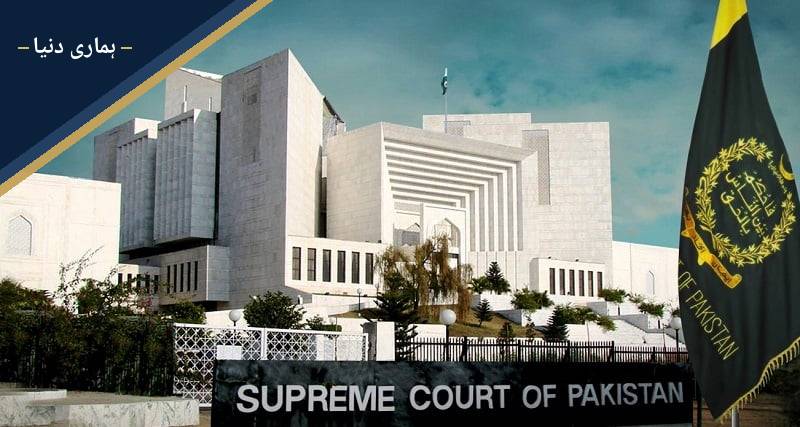
Supreme Court Rules Inheritance Right Starts at Death
The Supreme Court has ruled that an heir's right to inheritance takes effect immediately when the property owner dies. The right does not depend on the acceptance or consent of other heirs, and the passage of time cannot erase it.
A five-member larger bench delivered the unanimous judgment, which was authored by Justice Shahid Waheed.
When the Time Limit for a Claim Begins
The court clarified that inheritance claims fall under the Limitation Act 1908. However, the limitation period does not start merely because years have passed since the owner's death.
Under Article 120, the six-year limitation period in disputes among co-heirs begins only when two conditions are met:
- An heir's right is clearly and effectively denied.
- The denial is brought to that heir's knowledge.
The court also said the legal heirs of a deceased claimant inherit the right to pursue an inheritance claim that the original heir had not exercised.
Islamic Law and Estate Distribution
The judgment noted that all four Sunni schools of Islamic jurisprudence agree that a deceased person's estate automatically passes to the legal heirs upon death. This applies after funeral expenses, outstanding debts, and valid bequests are paid.
Once these obligations are settled, the estate becomes the property of the heirs. The Quran has prescribed fixed shares for heirs, leaving no room for negotiation or arguments over their entitlement.
Heirs Most Affected by Delays
The court observed that widows, daughters, minor children, and orphans often wait the longest and suffer the greatest losses because they have the least power to compel distribution. Some heirs die while waiting for their rightful shares.
"Brothers who stood shoulder to shoulder at their father's funeral stand on opposite sides of a courtroom a generation later," the judgment observed.
Undivided property also becomes economically inactive because heirs avoid investing in land from which they might later be excluded. The court warned that unpaid debts, unfulfilled bequests, and the wrongful appropriation of orphans' shares could result from delays.
Court's Advice on Distribution
The judgment stressed that the best protection of inheritance rights is timely and proper distribution of an estate, not prolonged litigation. It noted that evidence is lost over time as witnesses die, documents disappear, and revenue records change.