Leaked files show compliance gaps during FATF scrutiny
A global investigation based on more than 15 million leaked Deutsche Bank files has revealed that the bank's Pakistan operations struggled with basic anti-money laundering controls while the country was on the Financial Action Task Force (FATF) gray list. The documents, reviewed by Dawn as part of the "Inside Deutsche Bank" project involving over 200 journalists from 50 countries, cover internal audits, compliance emails, and transaction records from 2016 to 2021.
Key findings from the leaked records
- Missed TBML deadline: The State Bank of Pakistan (SBP) required banks to implement a Trade-Based Money Laundering (TBML) framework by September 30, 2020. Deutsche Bank Pakistan had not installed a price due diligence mechanism or an automated monitoring system by July 2021, nearly 10 months past the deadline.
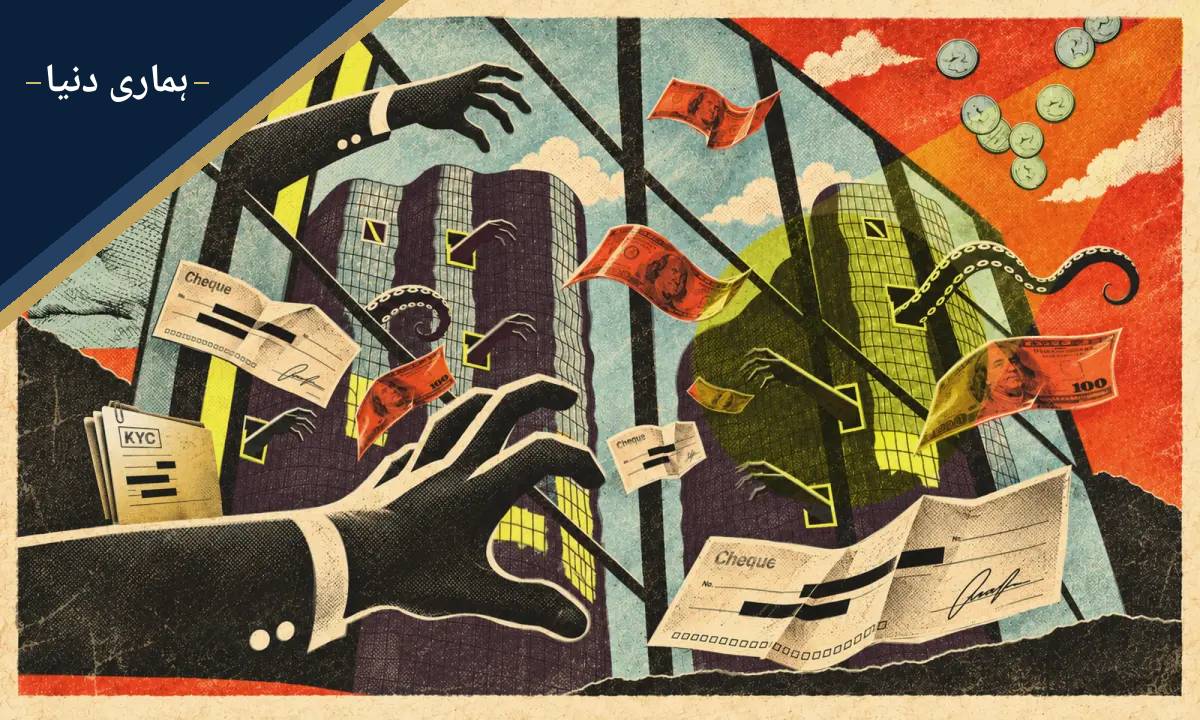
- Unfiltered cheque processing: A 2017 audit found the bank processed 76,821 domestic cheques worth €4.6 billion in 2016 without sanction screening. The majority — about €2.9 billion in deposits — came from a single high-risk client later off-boarded.
- Zero suspicious activity reports: A 2020 audit noted Deutsche Bank Pakistan filed no Suspicious Activity Reports or Suspicious Transaction Reports between July 2019 and June 2020, despite high transaction volumes.
- KYC confusion on custodial accounts: In September 2019, headquarters staff flagged thousands of sub-accounts under Special Convertible Rupee Accounts (SCRA) for State Street Bank and Bank of NY Mellon clients that had no Know Your Customer (KYC) checks. The debate over whether these accounts required KYC lasted over two months.
- Unknown beneficial owners: As of 2023, the bank held Rs 143.63 billion in government securities and shares for custodial clients but did not know the actual owners of these assets until at least 2019.
Repeated warnings ignored
A 2017 group audit had already flagged that trade finance operations did not verify underlying goods for letter of credit transactions and failed to document expected client trade flows. In 2016, Pakistan staff escalated the missing sanction screening for cheques, but senior management advised them to wait for a global system update. The bank had paid a $258 million fine in 2015 for sanction breaches in Middle East territories.
Regulatory response unclear
The SBP did not respond to a detailed questionnaire from Dawn about whether these issues were raised during its annual inspections. Deutsche Bank, in a summary response, stated it takes financial crime obligations seriously and maintains controls to comply with applicable regulations, but declined to comment on specific client relationships or past deficiencies.
Background
Deutsche Bank has operated in Pakistan since 1962 with a commercial banking license. It employs about 100 staff in Karachi and Lahore. In 2016, Pakistan ranked third globally in the bank's trade finance business by letters of credit volume, handling €872 million incoming and €255 million outgoing. Daily operations in 2019 averaged 4,560 transactions with over 14,000 sanctions screening reviews, none fully automated.
The records reviewed do not necessarily establish that suspicious or illicit transactions passed through the bank. They reveal that while Pakistan was under intense international scrutiny over its financial controls, one of the world's largest banks struggled to distinguish customers from non-customers, monitor financial transactions and implement safeguards against financial crime.