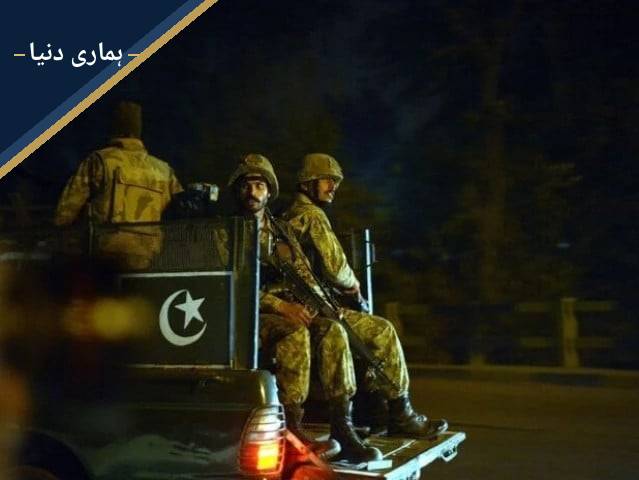
22 Terrorists Killed in Khyber Pakhtunkhwa Operations
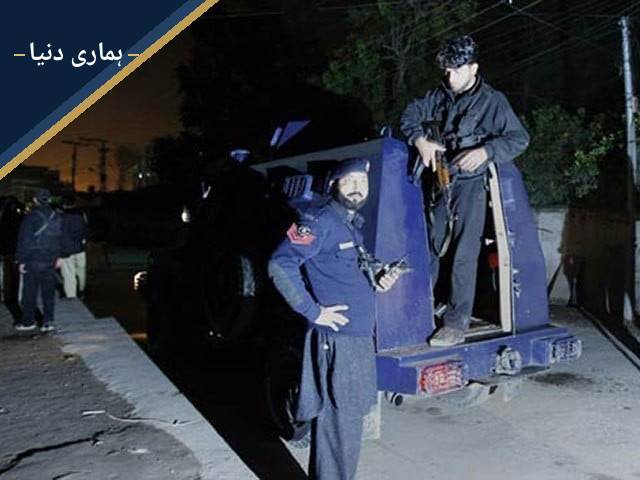
Security forces killed 22 terrorists in Khyber Pakhtunkhwa on November 16 and 17, the military's media wing said on Thursday. The Inter-Services Public Relations (ISPR) confirmed the deaths after intelligence-based operations in different districts.
Where the Operations Took Place
- South Waziristan: 15 terrorists killed in one intelligence-based operation.
- Bannu: 6 terrorists killed in two separate encounters.
- Tank: 1 terrorist killed in one encounter.
The ISPR said the killed terrorists belonged to Indian-sponsored Fitna al-Khawarij. The state uses this name for members of the banned Tehreek-e-Taliban Pakistan (TTP). Weapons and ammunition were recovered from them.
Interior Minister's Statement
Interior Minister Mohsin Naqvi praised the security forces for successful operations against terrorists in Khyber Pakhtunkhwa. He commended their professionalism and determination.
The nation is proud of the brave personnel of our security forces.
Naqvi said the entire nation stood with the security forces in their efforts to eliminate terrorism.
Sanitisation and Future Operations
Sanitisation operations are continuing to remove any other terrorists from the area. The security forces and law enforcement agencies will continue the counter-terrorism campaign under the vision "Azm e Istehkam" at full pace.
Background on Rising Attacks
Data from Armed Conflict Location & Event Data (ACLED) shows attacks in Pakistan rose to 2,425 in 2025 from 658 in 2022. Two security reports presented to the federal cabinet in October found that terrorist incidents in Khyber Pakhtunkhwa increased by 195% between March 2024 and September 2026. The reports said 73% of attacks in the province during 2026 targeted police and security personnel, and drones and improvised explosive devices were growing threats.
Pakistan has accused the Afghan Taliban authorities of allowing the TTP to operate from Afghan territory. A United Nations Security Council monitoring report published in February 2026 supported these concerns.