New Petrol and Diesel Prices in Pakistan
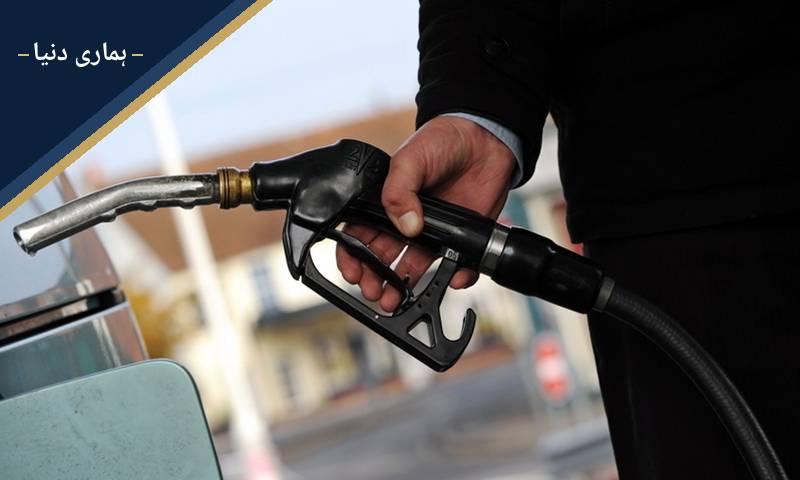
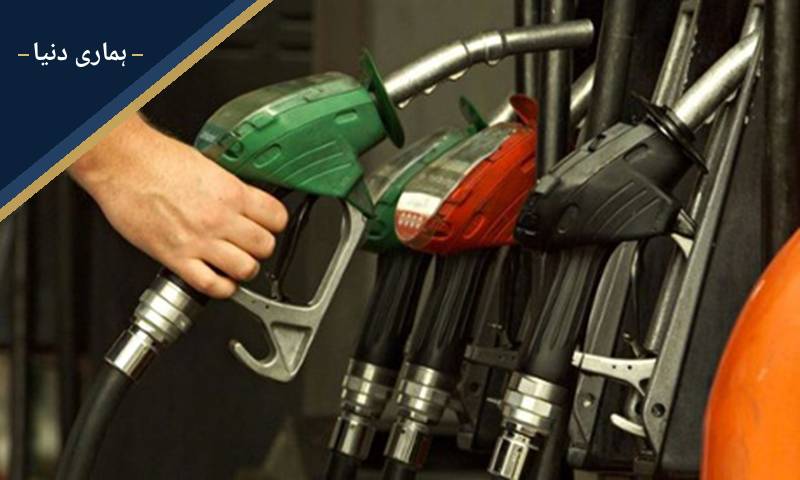
The government has cut petrol and diesel prices by Rs3 per litre each. From Thursday, November 19, petrol will retail at Rs322 per litre and HSD at Rs355 per litre, according to an Oil and Gas Regulatory Authority (OGRA) notification.
This is the twelfth consecutive decrease in petrol prices. Petrol was reduced to Rs325 per litre on Tuesday before the latest cut.
Taxes and Government Relief
The government continues to charge Rs114 per litre in taxes and duties on petrol and Rs100 per litre on diesel.
Under an arrangement announced on November 2, oil refineries will bear a cumulative impact of Rs15 billion for 30 days toward the petroleum levy. This allows a Rs14.71 reduction in petrol prices for consumers.
On September 17, the government launched the Prime Minister's Fuel Relief Scheme across Pakistan. The subsidy applies to owners of motorcycles, rickshaws, and vehicles with engines up to 800cc.
Why Fuel Prices Rose Earlier
Fuel prices began rising after the US-Iran war broke out on February 28. Petrol reached a peak of Rs458.41 per litre on April 3, having started from Rs266 in early March. Diesel peaked at Rs520.35 on April 3 after starting from Rs281 per litre.
Since July 17, OGRA has been revising fuel prices almost daily based on international market trends. The government previously announced weekly revisions starting in early March.
Austerity Measures and Fuel Usage
The government has reintroduced austerity measures amid the Middle East conflict. Markets must close by 9pm, and fuel allocations for official vehicles have been cut by 50 percent for three months.
Petrol is mainly used in private transport, small vehicles, rickshaws, and two-wheelers. Diesel is used in heavy transport, power plants, and large generators. Monthly sales of petrol and HSD are about 700,000 to 800,000 tonnes, compared with 10,000 tonnes of kerosene demand.
The government of Pakistan remains committed to continue making all possible efforts to ease the financial burden on the common man amid global challenges.
— Ishaq Dar, Deputy Prime Minister and Foreign Minister