Pakistan to Shift Passport Issuance to E-Passports
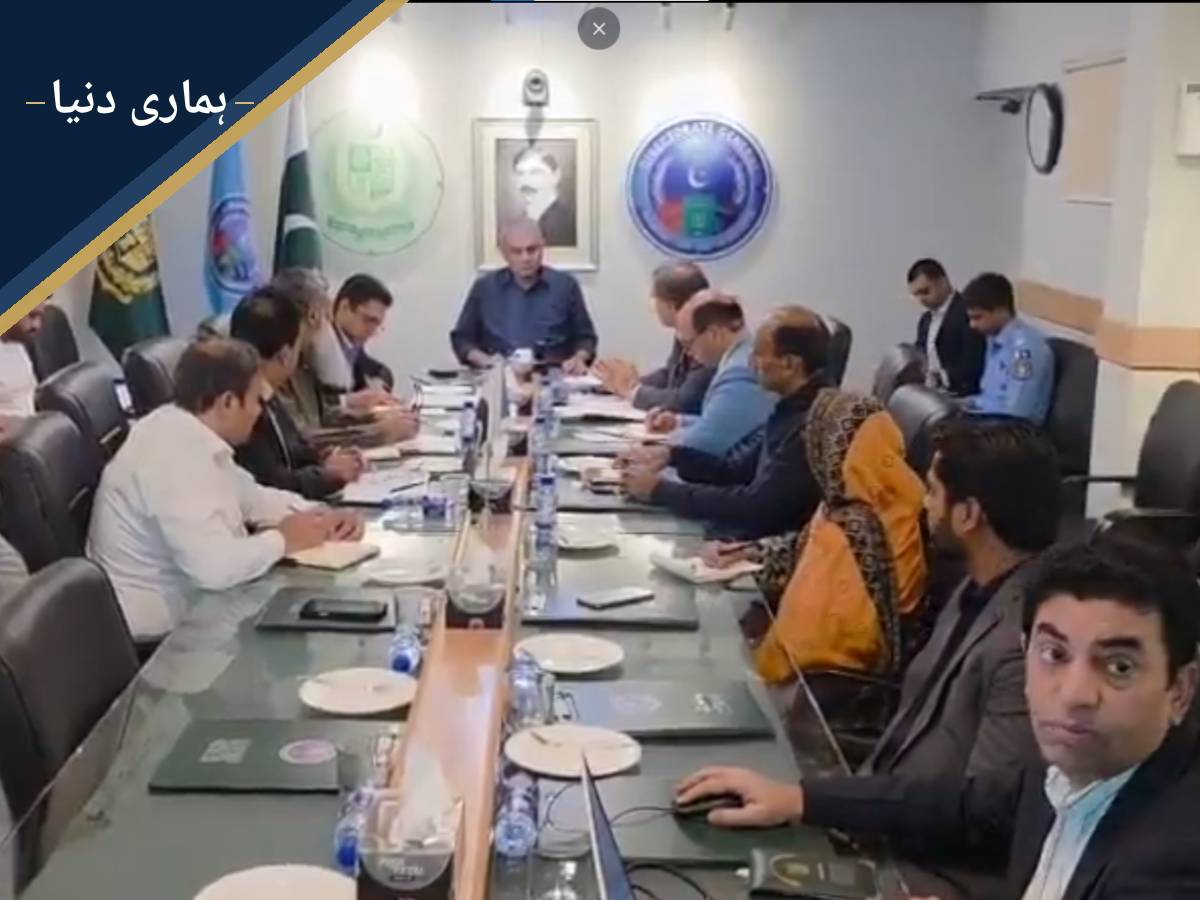
The government has decided to move the passport issuance system to a complete e-passport framework. The decision was made during a high-level meeting on Passport and Immigration held at the Interior Ministry headquarters.
Interior Minister Mohsin Naqvi chaired the meeting. The Director General of Passports and Immigration, Muhammad Ali Randhawa, gave a detailed briefing on reforms and future plans.
Main Decisions from the Meeting
The main decision was to fully shift passport issuance to e-passports. This step aims to reduce fraud and forgery in the passport system. However, the government has not announced any deadline for ending existing passports.
Officials said people applying for premium services will now be charged based on the actual cost of passport services.
Home Delivery and Cashless Payments
Preparatory work for home delivery of passports inside Pakistan and abroad has been completed. The service will be launched soon.
From July 1, passport offices across the country will introduce a cashless payment system. Online passport applications will also be moved to the Pak-ID platform.
Business Passport Policy
The meeting also decided to finalise a policy for business passports. This will be done in consultation with the Federal Board of Revenue.
What Is an E-Passport?
The Ministry of Interior said the e-passport is a highly secure travel document. It contains an electronic chip embedded in one of the passport pages.
The chip stores biometric information about the holder. It also holds personal data from the passport data page, a unique identification number, and a digital signature.
An e-passport has a contactless chip, so it can be read electronically. Pakistan's newly launched e-passports follow the United Nations' ICAO standards.
Government's Goal
The ministry said these reforms are part of wider efforts to make the passport system more efficient, transparent, and citizen-friendly.