MQM-P Says New Provinces Demand Forced by Local Government Failure
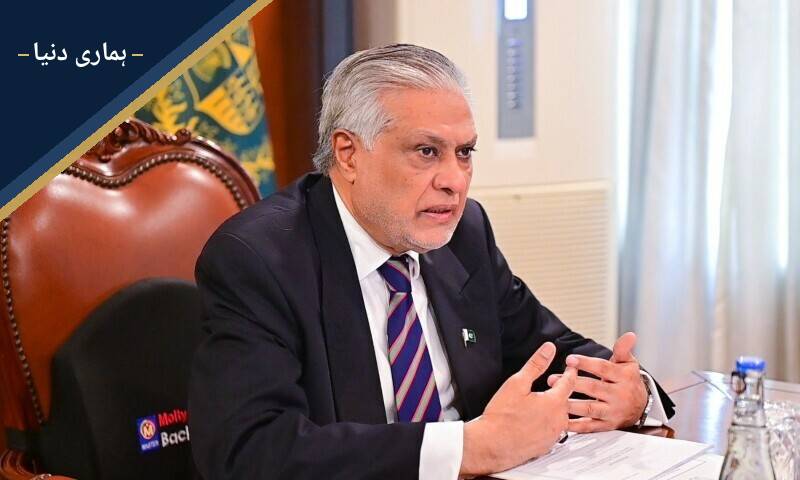
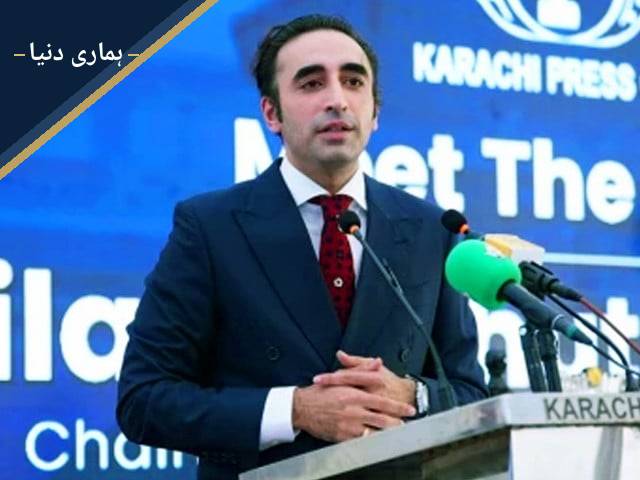
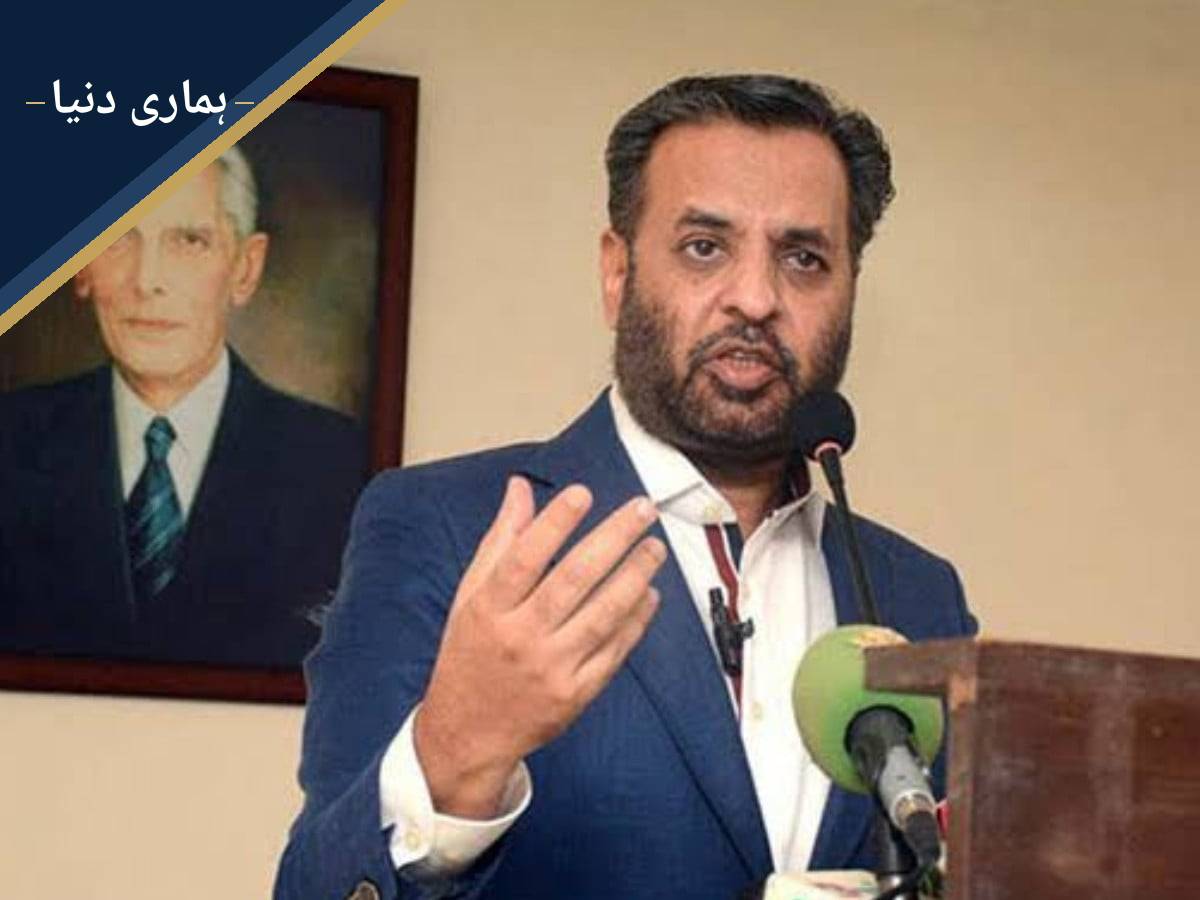
Federal Health Minister Mustafa Kamal said on Friday that the Muttahida Qaumi Movement-Pakistan (MQM-P) had been left with no choice but to demand new provinces because Karachi and other urban centres in Sindh have been denied basic civic facilities and representation matching their population.
Speaking to media at a Startup-Government Dialogue organised by the National Incubation Centre in Karachi, Kamal said the failure to empower local governments compelled the party to support the creation of new provinces.
"If the 26th or 27th Constitutional Amendment had granted constitutional powers to local governments, we would have supported it. However, we have been left with no option but to support the creation of new provinces,"
he said.
Local Governments Lack Basic Authority
Kamal criticised the Sindh government for resisting devolution of powers to local administrations. He said local governments do not even have the authority to install manhole covers, and that raising the issue has been met with opposition and threats of bloodshed.
He defended the constitutional basis for the demand, citing Article 239, Clause 4, and noted the Constitution has been amended 27 times and can be amended further if required.
Karachi Population Dispute and Civic Crisis
Kamal highlighted Karachi's longstanding administrative problems, saying the city is denied its rightful share of resources because its actual population is not properly counted.
- 2017 Census: 16 million
- 2023 Census: 13 million (showing a decline)
- Recount figure: 20.3 million
- Alleged exclusion: 7.7 million residents
"If Karachi's population itself is not acknowledged, how can its residents demand basic civic facilities?" he asked, pointing to shortages of drinking water, inadequate sewage disposal, deteriorating roads, and poor waste management.
He also said employment opportunities for young people are limited, with delivery rider jobs emerging as a primary option. The 40% job quota for Sindh's urban areas is not being implemented, and the appointment of 150 deputy superintendents of police in Karachi is restricting promotion opportunities for local officers.
Political Context and Rally Postponement
The remarks come amid escalating tension between MQM-P and the Pakistan Peoples Party (PPP). Earlier this week, Kamal warned PPP Chairman Bilawal Bhutto Zardari would be responsible for any bloodshed over the issue.
He said Prime Minister Shehbaz Sharif's willingness to consider a referendum and the federal information minister's support show the debate is already underway. MQM-P postponed its November 29 rally voluntarily, saying it would withdraw if there was even a slight risk of a clash.
On establishment involvement, Kamal said it has become a trend to declare establishment support "halal when favourable and haram when not." He added that every political party wants the establishment to intervene in its favour.
Regarding Muhajir unity, Kamal said he would speak to Dr Khalid Maqbool Siddiqui in response to Afaq Ahmed's invitation and would vote in favour if the proposal came before the MQM-P Central Executive Committee.
Health Sector: "Sick-Care" System and Alarming Statistics
At the dialogue titled 'Innovating for a Healthier Pakistan', Kamal called for a shift from treatment-focused healthcare to disease prevention, describing Pakistan's model as a "sick-care" system.
- Maternal deaths: ~11,000 mothers die yearly during pregnancy or childbirth
- Child malnutrition: 43% of children suffer impaired growth
- Child deaths (ages 1-5): ~400,000 annually (~1,300 daily)
He stressed that increasing hospitals and beds will not resolve the crisis unless the overall disease burden is reduced. Modern technology and artificial intelligence could improve maternal healthcare and preventive services.
Hepatitis C Elimination Programme
Kamal said approximately 11 million people have been identified with Hepatitis C during screening. The government has launched a free screening and treatment programme with a nationwide campaign underway.
- Screening kit cost: Rs8,000
- Three-month treatment cost: ~Rs34,000
- Programme allocation: Rs68 million
The government bears all expenses to remove financial barriers. Kamal expressed concern that people are not taking sufficient advantage of the free screening facility despite its availability.