
Heatwaves in Punjab Threaten Agriculture and Food Security
Increasingly frequent and severe heatwaves in Punjab's rain-fed rural areas are disrupting agricultural production, reducing household incomes, and worsening food insecurity, especially among women and vulnerable communities. This is according to a report by United Nations (UN) agencies.
About the UN Report
The assessment "Extreme Heat and Agriculture" was published jointly by the UN Food and Agriculture Organisation (FAO) and the World Meteorological Organization (WMO). It warns that rising temperatures have become one of the most serious hazards facing global food production.
Impact on Crops and Livestock
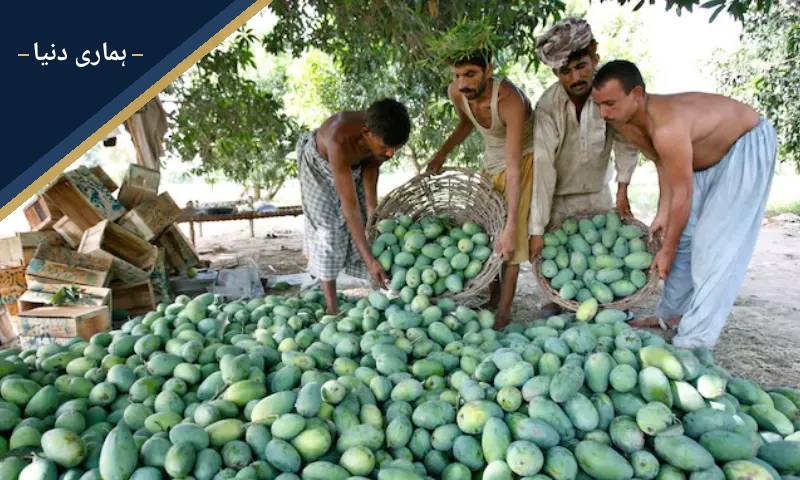
The report says heat waves have led to significant declines in crop yields. In the high-rainfall zones of Punjab, fruit productivity has fallen by as much as 50 per cent.
Livestock operations across the region are also severely affected. Large ruminants produce less milk under heat stress, and small ruminants face increased outbreaks of foot-and-mouth disease.
Impact on Rural Families
For rural families dependent on farming, the loss of agricultural output means reduced household income. This diminishes their ability to purchase basic food staples.
The crisis is compounded by the accelerated spoilage of vegetables, dairy products, and other perishable goods in extreme temperatures. Widespread spoilage reduces local food availability and drives up market prices.
As a result, rural families face a double burden. They produce less diverse and nutritious food for their own consumption while losing the agricultural income they rely on to purchase food from markets. "This double burden severely limits their access to healthy diets," the report said.
Impact on Women
Although entire communities are affected, women generally bear a disproportionate share of the burden. Women in Punjab play an essential role in agricultural activities, including harvesting, collecting water, and carrying out physically demanding household responsibilities.
This exposes them to high temperatures for extended periods, increasing their risk of heat-related illnesses and other health complications.
Those health risks are particularly acute for pregnant and lactating women, who have greater nutritional and dietary needs that are often the first to be compromised during periods of household food scarcity.
Research cited in the report indicates that each 1°C rise in temperature is associated with a 4pc increase in the likelihood of preterm birth. During heat waves, the risk of preterm birth jumps to 26pc, according to the report.
Additional social inequalities exacerbate women's vulnerabilities to extreme heat. Despite their critical role in farming, women often lack ownership of land and other assets necessary to access credit and financial services that could aid adaptation.
With limited access to climate information and early warning systems, they are often less prepared to respond to heat events.
Rural women's coping strategies, such as reducing their own food intake to prioritise other family members, can further compromise their health and resilience. This reflects broader patterns of gender discrimination that amplify their vulnerability in times of climate crisis, the report said.
Global Warnings
Beyond the localised crisis in Punjab, the FAO and the WMO warned that extreme heat is acting as a powerful risk multiplier with direct and indirect impacts across all agricultural subsectors worldwide.
Rising temperatures amplify existing environmental hazards such as drought, heighten the risk of destructive wildfires, and create complex compound impacts. Those converging threats endanger not only global agricultural production but also the physical health of agricultural workers who labour on the front lines of the growing climate threat.
The fingerprints of extreme heat on agriculture are already visible worldwide, and the analysis of scientific evidence confirms that heat is driving significant productivity losses.
Under high-emission scenarios, nearly half the world's cattle could be exposed to dangerous heat by 2100, with annual losses nearing $40bn. Under a low-emission scenario, impacts from livestock exposure to extreme heat are reduced by nearly two-thirds.
In aquatic systems, marine heatwaves have already caused repeated mass mortality events and are forcing entire fish stocks to migrate in search of cooler water. Fruit and nut trees and natural forests are also subject to production losses and the growing risk of more frequent and intense wildfires.
Together, those global agricultural losses create a dangerous environmental feedback loop, the report concluded. When heat-driven shortfalls in crop and livestock production prompt farmers to clear additional land for agricultural expansion to compensate for lost yields, the resulting land-use changes increase greenhouse gas emissions, fuelling further climate change.
Published in Dawn, November 9th, 2026
Source: dawn