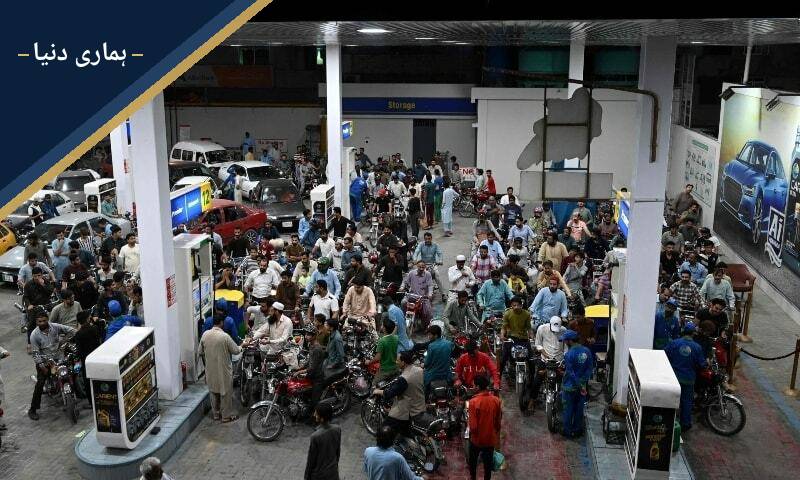
Fuel Prices Slashed Again in Pakistan
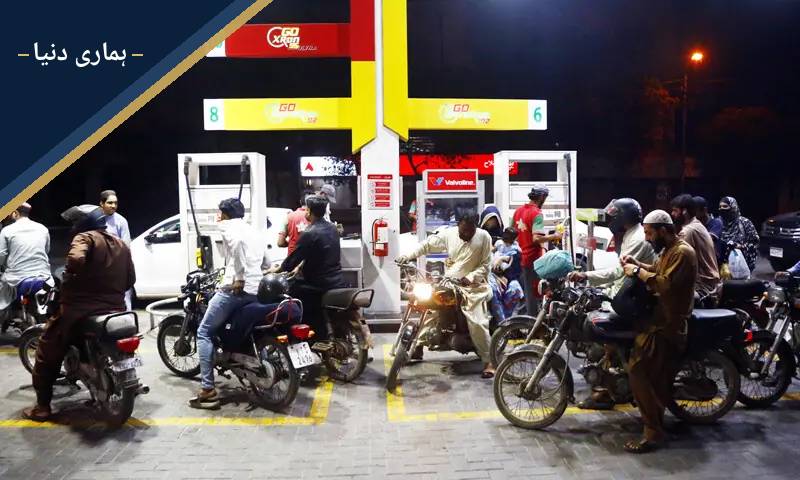
The government has reduced fuel prices once again. On Wednesday, the price of petrol was cut by Rs3 per litre, and high-speed diesel (HSD) was reduced by Rs7 per litre.
According to a notification by the Oil and Gas Regulatory Authority (Ogra), the new prices will be effective from Nov 12 (Thursday). Petrol will retail at Rs335 per litre, while HSD will cost Rs364 per litre.
Taxes and Levies
The government continues to charge Rs114 per litre in taxes and duties on petrol and Rs100 per litre on diesel.
Under an arrangement announced on Nov 2 for 30 days, oil refineries will contribute to the petroleum levy by bearing a cumulative impact of Rs15 billion. This allows a Rs14.71 reduction in the petrol price for consumers.
Fuel Relief Schemes
On Sept 17, the government launched the Prime Minister's Fuel Relief Scheme across the country to help the public deal with rising fuel prices due to the Middle East situation.
The subsidy scheme applies to owners of motorcycles, rickshaws, and vehicles of up to 800cc.
The government and Jamaat-i-Islami held another round of negotiations to work out a way forward on relief in petroleum prices.
Rise in Fuel Prices
The price of HSD has fallen from a peak of Rs520.35 recorded on April 3. Its price had started rising from Rs281 per litre after the US-Iran war broke out on Feb 28.
The petrol price had peaked at Rs458.41 on April 3 after beginning its upward trend from Rs266 in the first week of March.
The government has reintroduced austerity measures due to rising fuel prices amid the ongoing Middle East conflict. Markets must close by 9pm, and fuel allocations for official vehicles have been cut by 50pc for three months.
Since July 17, the government has been revising fuel prices almost daily because of international market fluctuations following renewed hostilities between Iran and the US. The petroleum minister said the cabinet and prime minister decided to give Ogra the responsibility of setting fuel prices daily based on international market trends.
Before this, the government announced weekly revisions to fuel prices since early March, along with fuel conservation measures due to possible oil supply disruptions. The federal government also announced targeted relief measures in April to provide subsidised fuel.
Who Uses Petrol and Diesel
Petrol is mainly used in private transport, small vehicles, rickshaws, and two-wheelers. Changes in its price affect the middle and lower-middle classes.
Diesel prices also impact the public because it is mainly used in the heavy transport sector, power plants, and large generators.
Petrol and HSD are the major revenue earners, with monthly sales of about 700,000 to 800,000 tonnes, compared to just 10,000 tonnes of monthly demand for kerosene.