Court Rules Provincial Cess Laws Unconstitutional
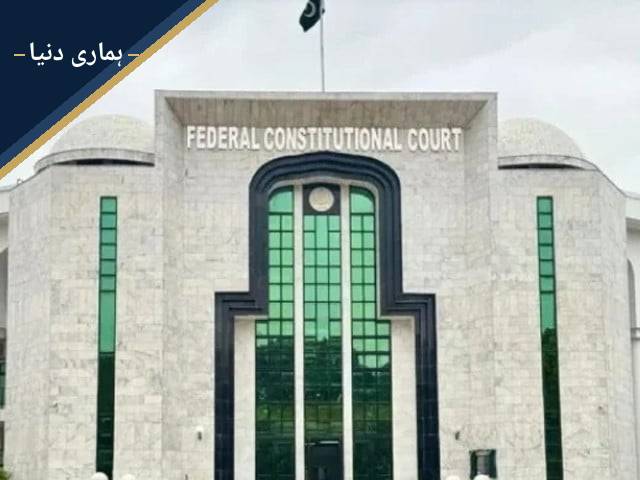
The Federal Constitutional Court (FCC) has struck down infrastructure cess legislation enacted by the Sindh and Khyber-Pakhtunkhwa governments. A two-member bench comprising Chief Justice Aminuddin Khan and Justice Aamer Farooq declared the provincial laws unconstitutional and beyond the legislative authority of the provincial assemblies.
High Court Judgments Set Aside
The FCC also set aside earlier decisions of the Sindh High Court and the Peshawar High Court that had upheld the levies. The ruling comes in favour of taxpayers who challenged the provincial governments' power to impose the charges.
Laws Challenged in Court
- Sindh: Sindh Development and Maintenance of Infrastructure Cess Act, 2017
- Khyber-Pakhtunkhwa: Khyber-Pakhtunkhwa Infrastructure Development Cess Act, 2022, amended by the Finance Act, 2024
The appeals were initially filed in the Supreme Court and later transferred to the Federal Constitutional Court.
Federal Argument Prevails
Hafiz Ehsan Ahmed Khokhar, representing the Secretary Revenue Division and the Federal Board of Revenue (FBR), argued that Parliament holds exclusive legislative authority over matters in the Federal Legislative List. Citing Articles 141 and 142(a) of the Constitution and Entries 27 and 43 of the Fourth Schedule, he maintained that imports, exports, international trade, and customs duties fall solely within the federation's domain.
The Additional Attorney General supported this position, urging the court to declare the provincial legislation illegal.
Provincial Defence Rejected
The Sindh and KP governments defended their laws, stating the cess was imposed to fund roads, transport networks, and safe transportation of goods. They argued the matter fell within provincial legislative competence. The court rejected this stance, accepting the taxpayers' contention that the levies related to matters under exclusive federal authority.
The court has announced its decision; a detailed judgment will be issued later.