
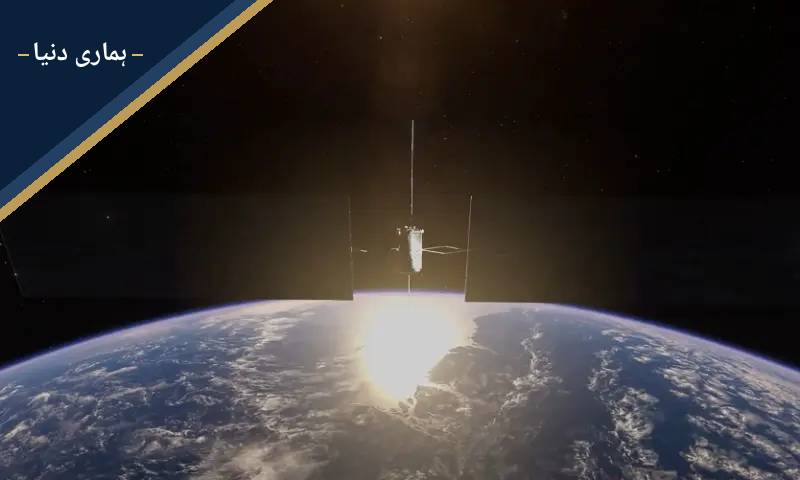
FCC Grants SpaceX Licence for Massive Satellite Constellation
The US Federal Communications Commission (FCC) has authorised Elon Musk's SpaceX to launch up to one million satellites for a new constellation called Starmind. The approval, announced on Wednesday, allows the company to build data centres in orbit that will process massive amounts of data for use on Earth. The licence runs until 2040.
Key Details of the Approval
- Constellation name: Starmind (separate from the existing Starlink internet network)
- Maximum satellites: One million
- Licence validity: Until 2040
- Purpose: Orbital data centres for AI and supercomputing
- First launch target: Fourth quarter of 2027
- Ramp-up year: 2028
Technology and Partnerships
SpaceX will use its own Falcon rockets, which have completed hundreds of missions, giving it a launch advantage over competitors. The company has also signed a deal with Nvidia to supply Vera Rubin processors, designed specifically to operate in the harsh space environment.
Starmind satellites will link with the existing Starlink network to relay processed data back to Earth. Other planned constellations intend to use laser links directly with ground stations.
Competitors in the Race
- Google: Project Suncatcher
- Blue Origin (Jeff Bezos): Project Sunrise (application submitted to FCC)
- Startups: Starcloud, which tested a GPU in orbit in late 2025
Expert Concerns and Opposition
The American Astronomical Society (AAS) said it was "disheartened and dismayed" by the decision. The group warned that the larger, brighter satellites would be visible for long periods, undermining decades of investment in astronomical facilities and the public's ability to study the night sky.
"Drastically expanding satellites in space has a direct impact on people's everyday lives as well as the future of our planet,"
Technical Challenges Ahead
- Protecting processors from high radiation levels in space
- Withstanding extreme temperature swings
- Avoiding damage from space debris and micrometeorites
Potential Advantages of Space-Based Data Centres
Satellites in sun-synchronous orbit can capture solar energy continuously with eight times the efficiency of ground-based solar panels. This could reduce the massive electricity demand of AI data centres on Earth.
SpaceX debuted on the stock market in June, raising approximately $85.7 billion, providing financial backing for the ambitious project.